



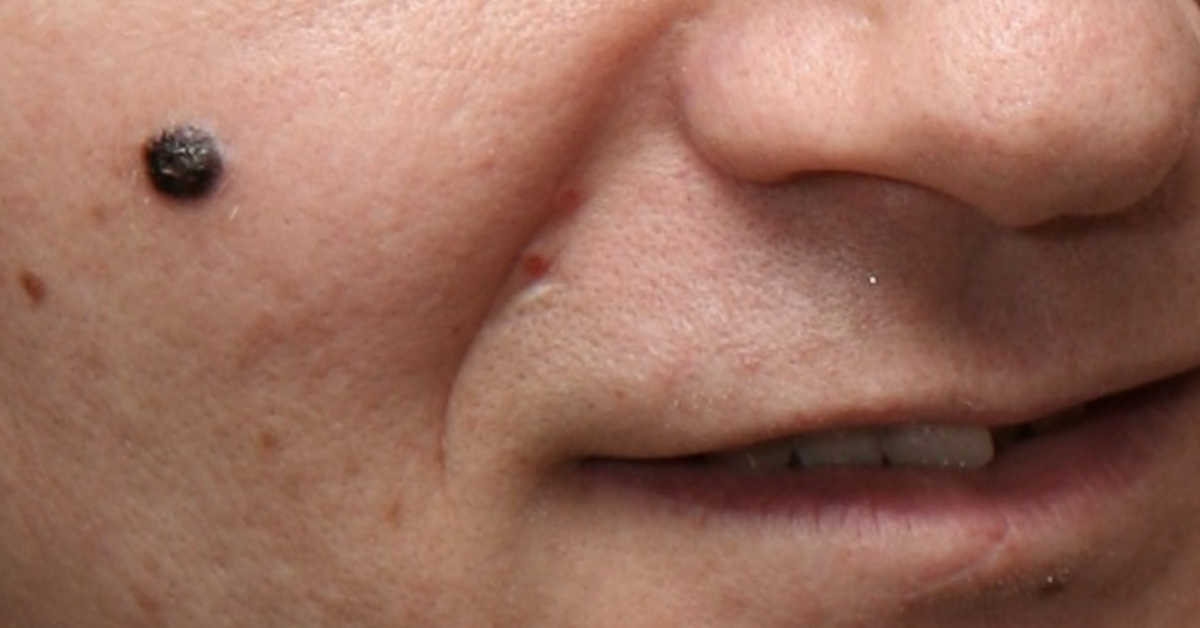
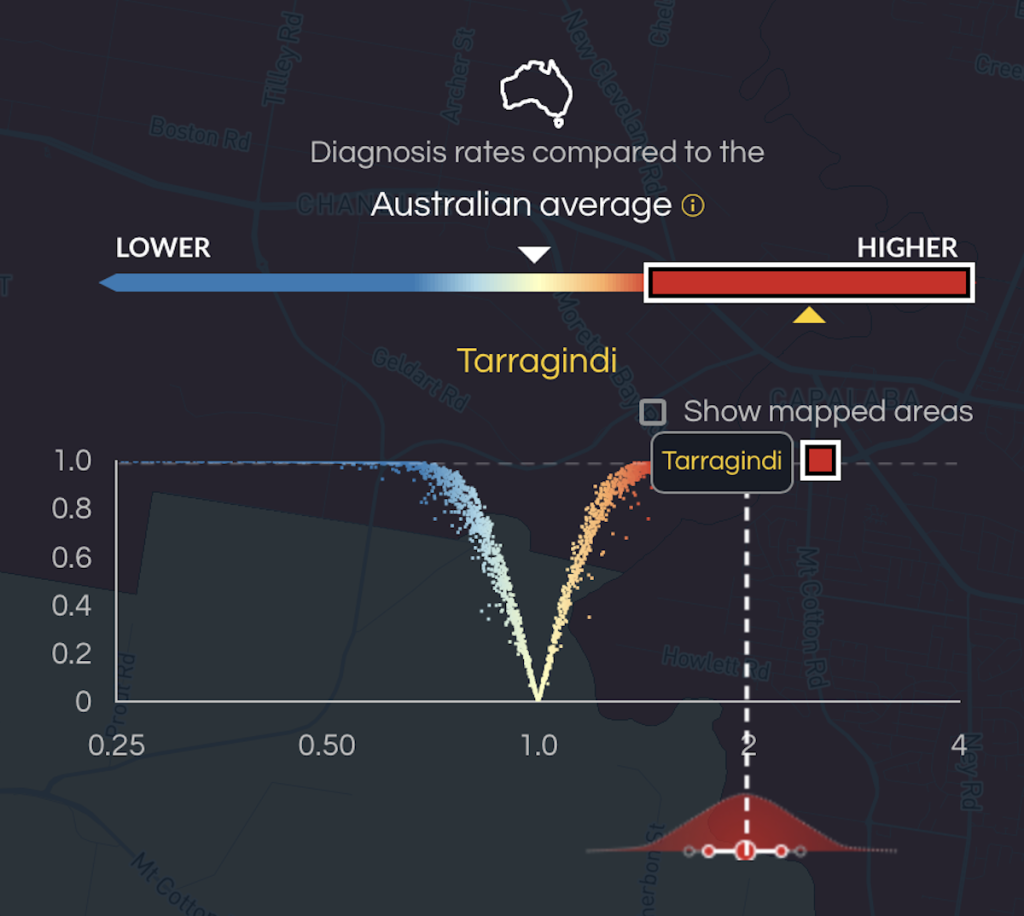
A major Australian study has identified dozens of new genetic regions linked to mole development, a breakthrough that could eventually improve melanoma screening and treatment for people at higher risk of the disease. The findings may be particularly relevant for communities such as Tarragindi, where Australian Cancer Atlas data shows melanoma diagnosis rates are almost double the national average.
Researchers from QIMR Berghofer Medical Research Institute in Brisbane led the world’s largest genetic study into what determines how many moles a person develops. Published in Nature Communications, the research analysed genetic data from 85,965 people and identified 24 previously unknown genetic regions associated with mole count.
Scientists say the work provides important new clues about melanoma, Australia’s deadliest form of skin cancer.
Scientists Turn Attention to the Genetics Behind Mole Growth
Researchers have long known that people with large numbers of moles face a greater risk of developing melanoma. However, much less has been understood about the genes that influence why some people develop more moles than others.
The QIMR Berghofer team set out to answer that question by examining DNA data collected through 14 large international studies.
Lead author Shanika Jayasinghe and senior author Associate Professor Matthew Law found 29 genetic regions associated with mole count, including 24 that had not previously been identified in studies focused specifically on moles.
The researchers also identified more than 250 genes that may influence mole development and melanoma risk, providing new avenues for future investigation.
Moles and Melanoma Share the Same Cellular Origin
The study highlights the close biological relationship between moles and melanoma.
Both develop from pigment-producing skin cells known as melanocytes. A mole forms when melanocytes multiply and then stop growing. Melanoma develops when those cells continue to grow uncontrollably and become cancerous.
Researchers found that nearly all of the genetic regions associated with mole count also played a role in melanoma development.
Their analysis showed that people with a genetic tendency to develop more moles also carry a higher inherited risk of melanoma, reinforcing the connection between the two conditions.
Tarragindi Records One of the Highest Melanoma Rates in the Region
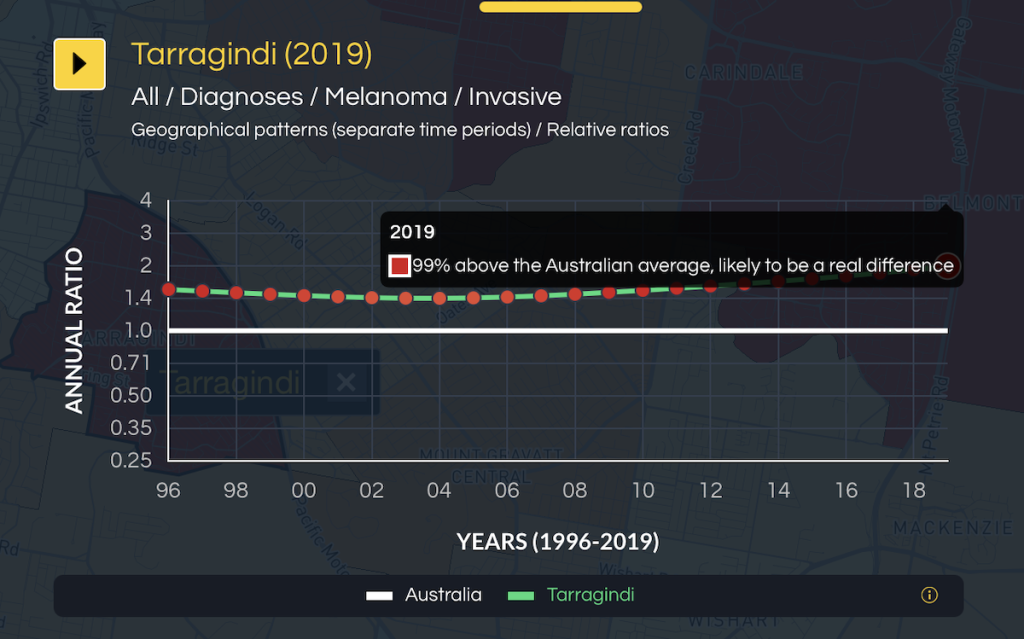
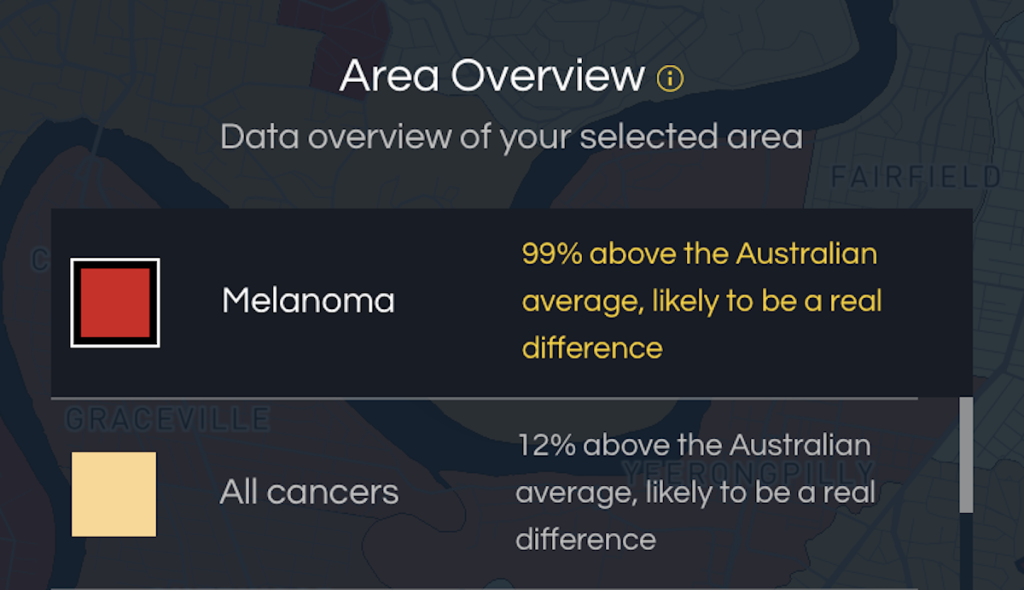
The findings carry particular significance for Tarragindi, where Australian Cancer Atlas data shows melanoma diagnosis rates were 99 per cent above the Australian average in the latest available figures.
The Atlas classified the difference as likely to be a genuine variation rather than a statistical anomaly.
Historical data also shows the suburb’s melanoma rates remained consistently elevated between 1996 and 2019, tracking well above the national average throughout the period.
While the Atlas does not identify the causes behind the higher incidence, researchers acknowledge that both environmental exposure and inherited genetic factors contribute to melanoma risk.
Discovery Could Lead to More Accurate Risk Assessment
One of the newly identified genes highlighted by the researchers is SIKE1, which is involved in regulating immune responses.
Scientists believe the gene may influence the body’s ability to detect and control abnormal melanocyte growth. Further studies will be needed to determine whether the pathway could eventually be targeted through future therapies.
The team also developed a Polygenic Risk Score designed to estimate a person’s inherited tendency to develop large numbers of moles.
Although still in the research phase, genetic risk scores may one day help doctors identify people who face a greater likelihood of developing melanoma and would benefit from more frequent skin checks and monitoring.
Early Detection Still Plays a Vital Role
Researchers emphasise that genetic discoveries do not replace the importance of sun protection and early detection.
Melanoma continues to claim around 1,400 Australian lives each year despite significant advances in treatment.
Regular skin examinations, the use of sunscreen, protective clothing and limiting exposure to ultraviolet radiation remain among the most effective ways to reduce the impact of the disease.
For suburbs such as Tarragindi, where melanoma rates remain substantially above the national average, the latest research offers hope that future screening programs may become more precise and better targeted towards those most at risk.
Published 17-June-2026