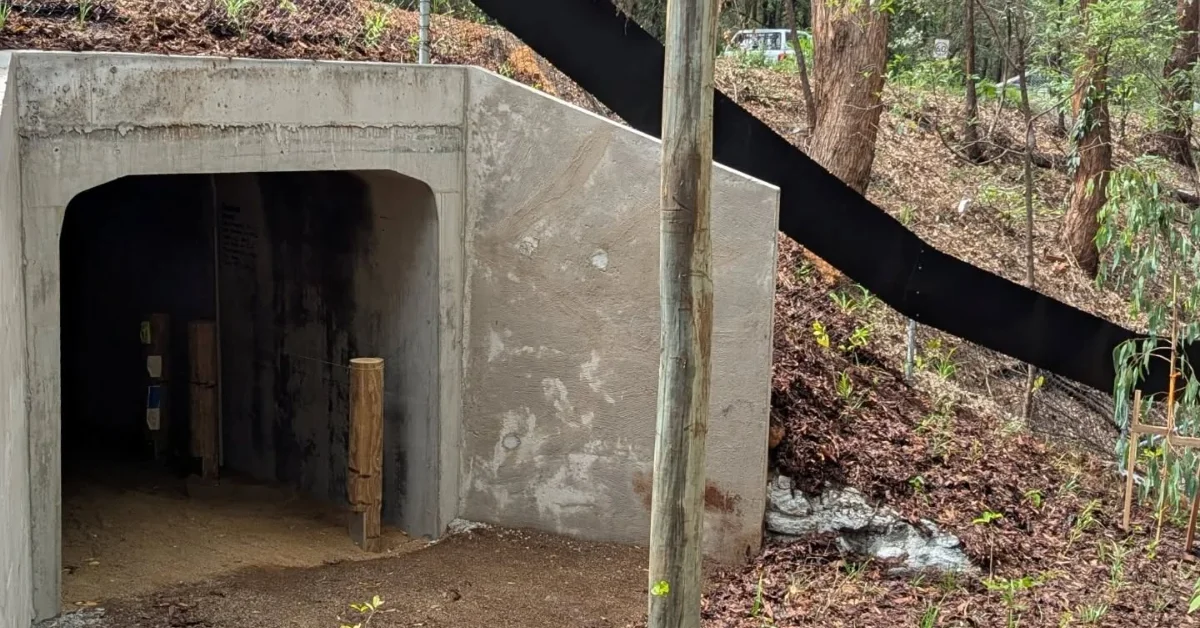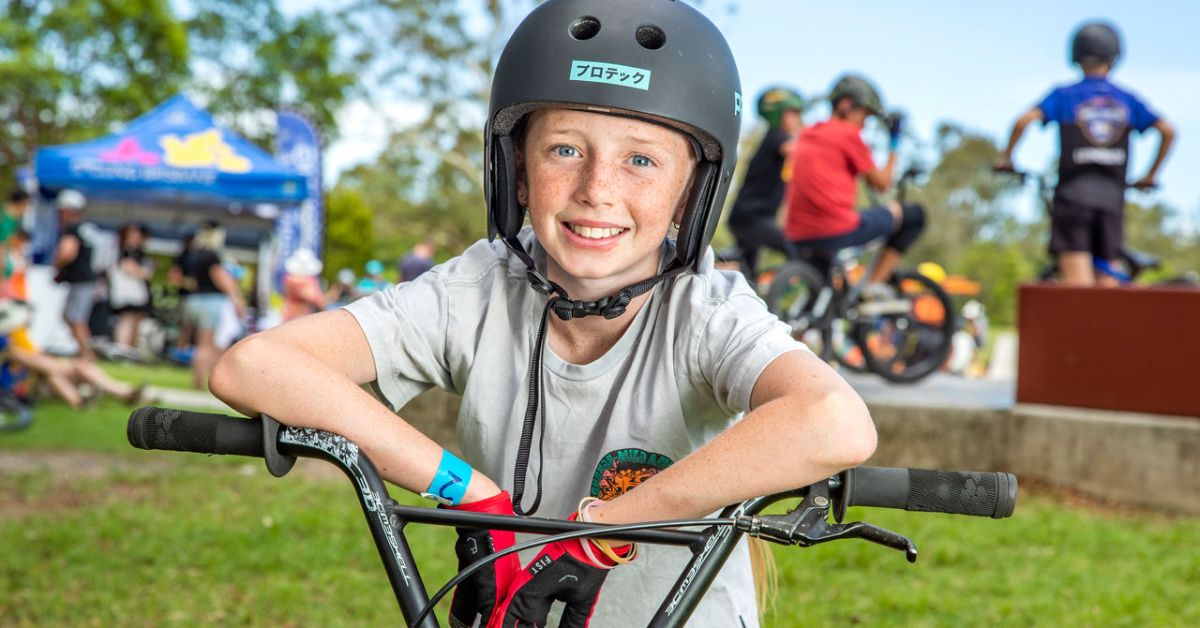
Construction crews began building a new BMX track at Salisbury Recreational Reserve this week, set to become the closest dedicated riding facility for young riders in Tarragindi, with the Evans Road reserve just minutes away across the suburb boundary.
Works began on Monday 30 March at the reserve off Evans Road in Salisbury, with the track designed for beginner, intermediate and expert riders. A June 2026 opening is anticipated, subject to construction conditions.
A Community-Driven Project
The track came about through direct advocacy from local BMX riders and their families, who raised the need for a dedicated facility in the area with the Moorooka Ward office. Young riders helped shape the design alongside bike track specialists, creating a layout that balances challenge for skilled riders with accessibility for newcomers.

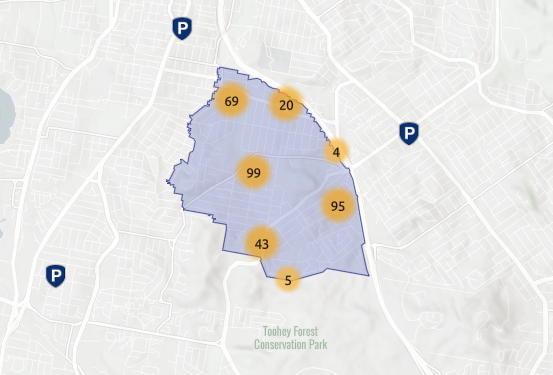
The reserve’s location draws Tarragindi families south along Toohey Road toward Evans Road, with the two suburbs directly connected. Its position near the cricket nets and visibility from Evans Road make it easily accessible for residents on both sides of the boundary, while around 80 car spaces on the Allendale Street frontage support riders and visiting families.
A Nearby Track for Tarragindi’s Young Riders
Tarragindi sits immediately north of Salisbury and shares a close community connection with its neighbour, but residents have long relied on Toohey Forest Park for outdoor recreation as the suburb lacks purpose-built infrastructure for young riders. Families currently need to travel to Darra, Acacia Ridge or further afield to access the nearest BMX facilities.

The new Salisbury track changes that equation for families living on Tarragindi’s southern edge, putting a quality, multi-level riding facility within easy reach for primary and secondary school-aged riders who want somewhere consistent and safe to develop their skills. The reserve sits within a broader sporting precinct, allowing riders to combine their visit with the use of nearby oval facilities and open parkland.

For parents, a visible, park-based setting near the cricket nets also provides clear sight lines across the facility, an important consideration when younger children are riding alongside more experienced users.
How to Get There
Salisbury Recreational Reserve is accessible from Evans Road, Salisbury, a short drive south from Tarragindi via Toohey Road. The BMX track is expected to open around June For updates on construction progress, visit this link or contact the Moorooka Ward office on 07 3403 1730.
Published 02-April-2026