
Brisbane’s Bus Network Services to Change But Have Your Say First

Brisbane’s bus network services are set to evolve with the activation of Brisbane Metro in a few years and Tarragindi residents now have a chance to provide their feedback on the expected changes.


Brisbane City Council will be conducting a series of community information sessions until the 14th of December 2022 in various suburbs to gather feedback from commuters who will be affected by any changes or adoption to this transportation service.

Some of these changes include:

  • The introduction of two new Brisbane Metro lines
  • Reducing the bottlenecks and congestions with a simplified bus network
  • Increasing connections to other public transport modes, such as the Cross River Rail.

For Tarragindi locals, the community information sessions will be on Saturday, 10 December 2022, from 10:00 a.m. to 12:00 p.m. at the Wellers Hills Bowls Club.

Other sessions in South Brisbane will take place on these dates and locations:

Date/TimeLocation
Saturday
26 November 2022
10:00 a.m to 12:00 p.m.
Coopers Plains Library
107 Orange Grove Rd
Coopers Plains QLD 4108
Saturday
3 December 2022
10:00 a.m to 12:00 p.m.
Warrigal Square Shopping Centre
261 Warrigal Rd
Eight Mile Plains
– a Mandarin interpreter will be available

Locals may also participate by completing the online survey if they cannot go to the in-person sessions.

Civic Cabinet Chair for Transport Ryan Murphy is encouraging locals to participate in these drop-in sessions to help the Council map out a solid new bus network services plan. 

“By 2041 our population will increase by almost 25 per cent and it is important the bus network evolves as our city grows,” Mr Murphy said.

“At peak times there are currently more than 385 buses jamming up the Cultural Centre Station, which is a result of our current over-reliance on direct bus journeys from the suburbs to the CBD.

“As part of the changes, a number of routes will be combined to simplify the network and some routes with extremely low patronage will be removed.

“This allows us to make better use of our resources to give high-frequency services to more streets, introduce new routes and deliver more reliable services from the suburbs to the city.

bus network
Photo Credit: BrisbaneCityCouncil/Facebook

“The improvements being delivered through the Brisbane Metro will help to significantly ease bottlenecks in the current network and prevent future problems as we grow.

“Brisbane’s New Bus Network redesigns services to connect customers to the two high-frequency Metro lines between Eight Mile Plains and  Roma Street and the Royal Brisbane and Women’s Hospital and the University of Queensland.

“There is also significant scope to expand the Metro further into Brisbane’s north and east through investment into the dedicated bus network.

“We want residents to join the conversation and provide their feedback to help us create the best possible transport network.”


After the community information sessions, Council will work with Translink and release the new network plan. The bus network services changes will be adopted in late 2024. 

Tarragindi Girl Receives New, 3D-Printed Ears

Aside from being able to hear, having her ears pierced for earrings was Harriet Sanders’ dream. Today, advanced hearing aid technology and the wonders of 3D printing have combined to give this Tarragindi schoolgirl her heart’s desire, thanks to Sydney surgeon Dr Joe Dusseldorp.


Read: Tarragindi Girl’s Ear Surgery ‘Will Change Her Life Forever’


Harriet Sanders’ Story

Harriet Sanders, 6, suffered from two different conditions–bilateral microtia and atresia. She was diagnosed with hearing loss a day after she was born. 

Bilateral microtia, which happens in about 1 in 25,000 babies, is a birth defect where both external ears are missing completely. Atresia is the absence or closure of the external auditory ear canal. Both conditions strongly affected Harriet’s outer ear and ear canal’s development.

At only three weeks old, Harriet was fitted with bone-conducted hearing aids to help with her hearing loss. However, Harriet was also missing both ears, a rare occurence among sufferers of an already rare condition.

Whilst researching, Harriet’s mum, Anna, learned about ear reconstruction surgery, an uncommon procedure in Australia. She learned that most of the surgeries were done overseas. Also, they apparently had to wait until Harriet became old enough to go through reconstruction surgery.

Harriet Sanders
Photo credit: joedusseldorp.com
3D printed ears for Harriet Sanders
Photo credit: joedusseldorp.com

Fortunately, she met Dr Dusseldorp, a reconstructive plastic surgeon from Sydney who performed pioneering, 3D-printed ear implant surgery on a four-year-old boy in early 2019.

Despite the impending risk of pandemic lockdowns due to the pandemic, Dr Dusseldorp successfully performed Harriet’s reconstructive surgery in 2021. This made Harriet the first child with bilateral microtia to undergo custom, 3d-printed ear reconstruction in Australia.

Dr Dusseldorp modeled Harriet’s ears from the ears of her mum, using 3D scans, and shaped the ears carefully to suit her face, using her own skin and tissue within the 3D-printed ear.

The surgery took ten hours and reconstruction was done in stages, first one ear, then the second one after a few months.

At around the same period, doctors also implanted BAHAs, hearing devices that transmit sound from the outside world directly to the hearing nerves of her ears. Harriet had been wearing bilateral, bone-conducted hearing aids with a band on her head since infancy.

Finally, form + function equals Harriet’s new ears!

3D printed ears
Photo credit: joedusseldorp.com

Dr Dusseldorp also acknowledged Hear and Say, for helping raise funds for Harriet and for their continuing support for Microtia and Atresia families.


Read: Aspiring Tarragindi Teacher Participates in G8 Education Traineeship Program


Harriet’s family strongly believes that 3d-printed ear reconstruction is truly life-changing. Today, Harriet can confidently go through life with her head held high, able to hear, and wearing a pair of the pretty, little earrings she once only dreamt about.

Ekibin, Before It Became Part Of Tarragindi

Did you know that before it became part of Tarragindi, Ekibin was a suburban locality with a rich indigenous history? Here’s a look back at the establishment of this locality, which was home to an aboriginal settlement in the early 19th century. 


Read: Tarragindi Tasserone: The Man Behind The Suburb’s Name


Name Origin

The Queensland Department of Natural Resources and Mines said the name ‘Ekibin’ was a modern name derived from the aboriginal word ‘Yekkabin’ which pertains to aquatic plants with edible roots which grew in the creek.

It’s believed that the aquatic plants being referred to are the Telmatoblechnum indicum or the swamp water fern which is often seen growing on sandy soils in swampy areas.

These edible roots, which are dried, roasted, and pounded, were part of the diet of the Aboriginals in Moreton Bay.

Referring to the good supply of edible roots there, the name ‘Ekibin’ has also been associated with “good eating.”

The name Ekibin has been used for the watercourse with headwaters from Toohey Forest Park, Holland Park West and Greenslopes. The swampy watercourse (formerly called Burnett Swamp) is now one of the tributaries of Norman Creek, alongside Sandy Creek.

Early Settlers

One of the early pioneers and land owners in the Ekibin district was Thomas Blackett Stephens, a wealthy businessman and newspaper proprietor who also served as an alderman and mayor of Brisbane Municipal Council.

Thomas Blacket Stephens (Photo credit: John Oxley Library, State Library of Queensland)

Stephens established a fellmongery business in 1862 and later on a farming business in the area.

Ekibin
Outside Cumbooqueepa, the former home of Thomas Blackett Stephens (Photo credit: State Library of Queensland)

His home, called Cumbooqueepa, was considered as one of the grandest homes in the South Brisbane area until it was demolished around the 1890s, to make way for the South Coast railway line.

The Baynes family, known for establishing a buthcering business in South Brisbane was also among the early settlers in the area. The location of their business was commonly referred to as Baynes’ Paddock, on the Norman Creek.

Ekibin became part of Tarragindi

A number of unofficial homeless camps were built around Brisbane as a result of the housing shortage during the Great Depression of the 1930s. As with many countries in the world, Australia experienced years of deflation, low profits, poverty, and plunging incomes during that period.

Ekibin
Queensland Housing Commission streetscape in Ekibin, August 1950 (Photo credit: Queensland State Archives, Digital Image ID 1515)

In Ekibin, there were as many as 600 families living at one time. But it eventually decreased to 148 families by 1954, after many of the huts were destroyed and the people relocated into housing commission homes. The camps were bulldozed shortly after some of the remaining residents were relocated.


Read: Tarragindi Property Market Shows Strong, Consistent Performance


Until the early 1970s, Ekibin was identified as a census district that extended from the Boggo Road Gaol to the Tarragindi reservoir.

Aspiring Tarragindi Teacher Participates in G8 Education Traineeship Program

Joseph Cooper is a school-based trainee at The Learning Sanctuary Tarragindi. Through the Study Pathways Program of G8 Education, he was given the opportunity to start a career in early childhood education whilst still attending school.


In a bid to counter the worsening workforce shortage in the early childhood education and care sector, the Study Pathways program of G8 Education is investing more resources into education training through its 450 locations in Australia, including the Learning Sanctuary in Tarragindi.

There’s Just Not Enough Educators

G8 has committed to meeting the growing demand for early learning services by opening more centres across the country.

However, workforce shortages in recent years have seen vacancies advertised across QLD reach an all-time high of 1,557 positions. At present, it takes an average of 57 days for a vacant position to be filled.

Through its Trainee and Study Pathway programs, G8 Education is able to address the growing demand for educators. Approximately 41 per cent of its graduates getting permanent employment with the company.

Through the program, around 74 school-based trainees have already started in Queensland services as of July 2022.

Getting a Headstart

For Joseph Cooper, it was a unique opportunity to get a valuable headstart doing something he has dreamed about since childhood.

“I had an amazing teacher in grade three, Mr Hanson, and ever since then I’ve wanted to be a teacher,” Joseph said.  

“I always doubted whether it was an achievable goal until I heard about this traineeship opportunity.  

“Judging from my first few days at the centre, early learning seems like a perfect fit for me.  

“I love watching the children interact and problem solves, and it’s a really fun and welcoming environment to work in.” 


G8 Education’s Study Pathways Program includes Certificate III and Diploma Early Childhood traineeships, and the Bachelor of Early Childhood Scholarship Program.

To learn more about the program, click here.

The Learning Sanctuary Tarragindi | 200 Toohey Rd, Tarragindi QLD 4121, Australia

Scooter Track Opens at the Shaftesbury Street Park in Tarragindi

After more than two months of construction, a new scooter track has opened at the Shaftesbury Street Park in Tarragindi, one of four new scooter tracks in Brisbane that are expected to deliver more opportunities for play, exercise, and recreation for families.


The scooter tracks are based on the award-winning recreational facility that was opened at Kedron’s Bradbury Park in 2020. The Shaftesbury Street Park improvements include a new picnic shelter as well.

“I am told by the designers that this track is the only one of its kind in Brisbane with the slalom design,” Cr Krista Adams said following the park’s official re-opening.

Aside from Tarragindi, Wittonga Park in The Gap has commenced construction as of August 2022. Paul Conti Park in Hemmant and Kathleen Street Park in Forest Lake are also going to have their own scooter parks, according to Council.

“As Richlands, Hemmant, The Gap and surrounding areas continue to grow, it is important to ensure that our parks continue to meet the recreational needs of residents and visitors, and Council is looking to enhance and diversify the recreational opportunities in these popular green spaces to ensure they cater to a broad spectrum of the community,” the Council said.


“Long gone are the days of a few trees and an old swing set. Our parks offer options for kids of all ages from scooter tracks and ninja warrior courses to nature playgrounds and water features,” per Lord Mayor Adrian Schrinner. 

Shopper in Disbelief Over $18 Cabbage Sold in Tarragindi

Inflation in Australia is the highest it has been since the early 1990s, hurting the pockets of Australian consumers like this shopper who found whole cabbage sold for $18 at a Tarragindi fruit and vegetable market.


A family-owned fruit and vegetable market along Toohey Rd is a local go-to place for better-quality food choices. However, a shopper was shocked at how expensive whole cabbages have gotten at the market this summer of 2022.

Green crops have been one of the hardest-hit commodities as Australia’s cost of living rises due to inflation. The recent unseasonal rains and the unusually wet weather may have also contributed to the price hike.

In June, regular whole cabbage prices spiked to about $9 whilst the organic variant costs about $10 to $12 at big-chain stores. Regular half-cabbages were selling at $3.50 but organic half-cabbages went for $5.20.

The price hike follows a lettuce shortage that had many restaurants switching and supplementing lettuce/cabbage mixed ingredients.  However, lettuce has gone back down to its regular price in recent weeks. 

Photo Credit: Photosforyou/Pixabay

“Happy to pay whatever as long as the farmers are getting most of the profits. However, if it’s profiteering from the suppliers and or grocers then the government needs to step in and stop this.” 

“I’ve lived in Brisbane all my life and I’ve seen rain like we have had in recent time years ago but it never spiked veggie price like this. Someone is making a killing.” 

“I saw these for $15.99 at our fruit and veg shop at Helensvale and thought it must have been an error. Apparently not.”


“So what happens to all the wasted fruit and veg now that we can’t afford to buy it? These prices are ridiculous.”

Meanwhile, Tarragindi locals have other options for green food supplies that they can plant, cultivate and harvest for free via the Tarragindi Community Garden and the Wellers Hill Bowls Club community garden. 

A Look Back at the Ekibin Hospital During WW2

Did you know that Tarragindi was the former location of a field hospital during WW2? The Ekibin Hospital was used to treat shell-shocked soldiers during the Second World War and was also occupied by the 102nd Australian General Hospital which treated patients suffering from psychoneurotic disorders.


The Ekibin Hospital, built in 1943, was situated within the boundaries of Sexton Street and Toohey Road. The site grew to more than 90 structures by the end of 1944, with buildings occupying parts of Effingham, Fingal and Lutzow Streets and having a total capacity of about 1,250 beds. 

155th Station Hospital

The 155th Station Hospital was a 500-bed hospital erected on 15 May 1941. It sailed to Australia on 19 May 1942, arriving in Sydney on 4 June 1942. In October of that year, the hospital moved to Camp Cable at Tamborine from Doomben Racecourse.

The 155th Station Hospital then moved to the Ekibin Hospital on 28 January 1944 and stayed there for a few months before transferring to Holland Park Hospital on 30 June 1944, taking over the space previously occupied by the 42nd General Hospital.

102nd Australian General Hospital

After the 155th Station Hospital moved out of the Ekibin Hospital, the Australian Army 102nd Australian General Hospital (102 AGH) took over in July 1944. By the end of 1945, 102 AGH had admitted almost 1,600 patients with psychiatric problems.  

The 102nd Australian General Hospital then moved to Holland Park Hospital after the Americans vacated the site. Ekibin Hospital was later occupied by a British Naval Hospital.


After the war, the Queensland Housing Commission used part of the site for displaced individuals. Ekibin Hospital was demolished sometime in 1955-56.

The Ekibin Memorial Park was established at the site to commemorate its role during the Second World War.

Tarragindi Tasserone: The Man Behind The Suburb’s Name

The Shed Community Fitness Inc in Salisbury Offers First Aid Training

Learn how to apply first aid during an emergency situation at the special training course offered by The Shed Community Fitness Inc, along Commerce St in Salisbury.


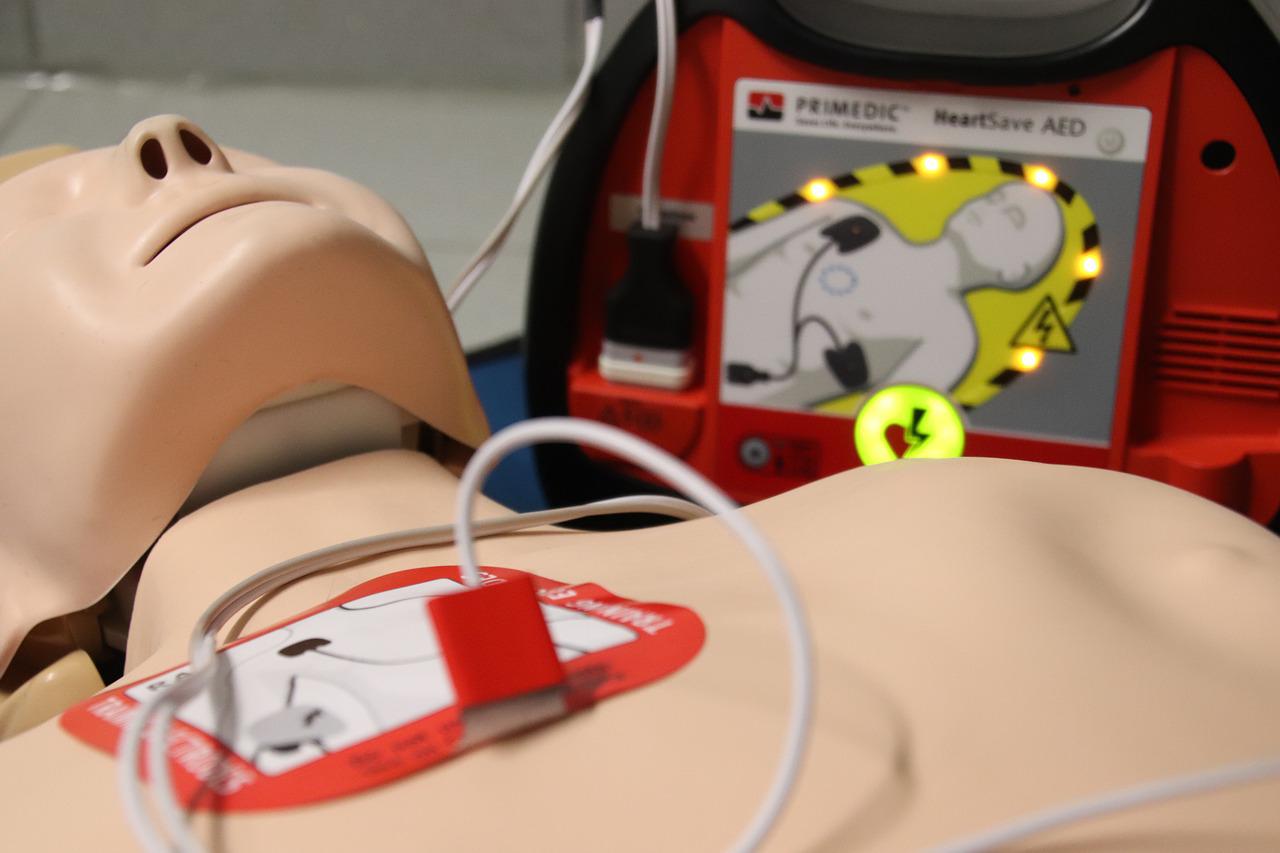
Whether it’s for a job requirement or learning a skill that may be useful one day. It’s good to be prepared during an emergency as first aid training can help save someone’s life. The session at The Shed Community Fitness Inc will take place on Saturday, 25 June 2022, and will be handled by a qualified trainer.

The instructors will be utilising nationally accredited First Aid/CPR training packages recognised by other training organisations, such as the Australian Resuscitation Council and ASQA Guidelines.

The session will cover:

SESSIONTIME
CPR Course9:00 a.m. to 11:30 a.m.
First Aid Training
(including CPR & Defib)
9:00 a.m. to 3:00 p.m.

Participants may choose to join the CPR course only or as a first aid refresher. Coffee or tea will be provided but participants are expected to bring their own lunch.

Photo Credit: JamesRein/Pixabay

Learning first aid isn’t just for medical workers because accidents happen anywhere at any time. Someone with training can help families, loved ones, co-workers, or even strangers.


Trained individuals may fill the gap and prevent tragic outcomes by aiding victims of accidents, cardiac arrest, and heart attack before the first responders arrive.

Tarragindi Dad Breaks Gender Stereotype As One Of The Few Male Midwives In QLD

data from the Nursing and Midwifery Board of Australia.

Mr Cameron, along with other midwives at the hospital have been recognised in May 2022 in time for the International Day of the Midwife on 5 May.

He’s aware that he stands out, being a male midwife, but he acknowledges his supportive team at Mater and said that the job is the same for all of them regardless of the gender.

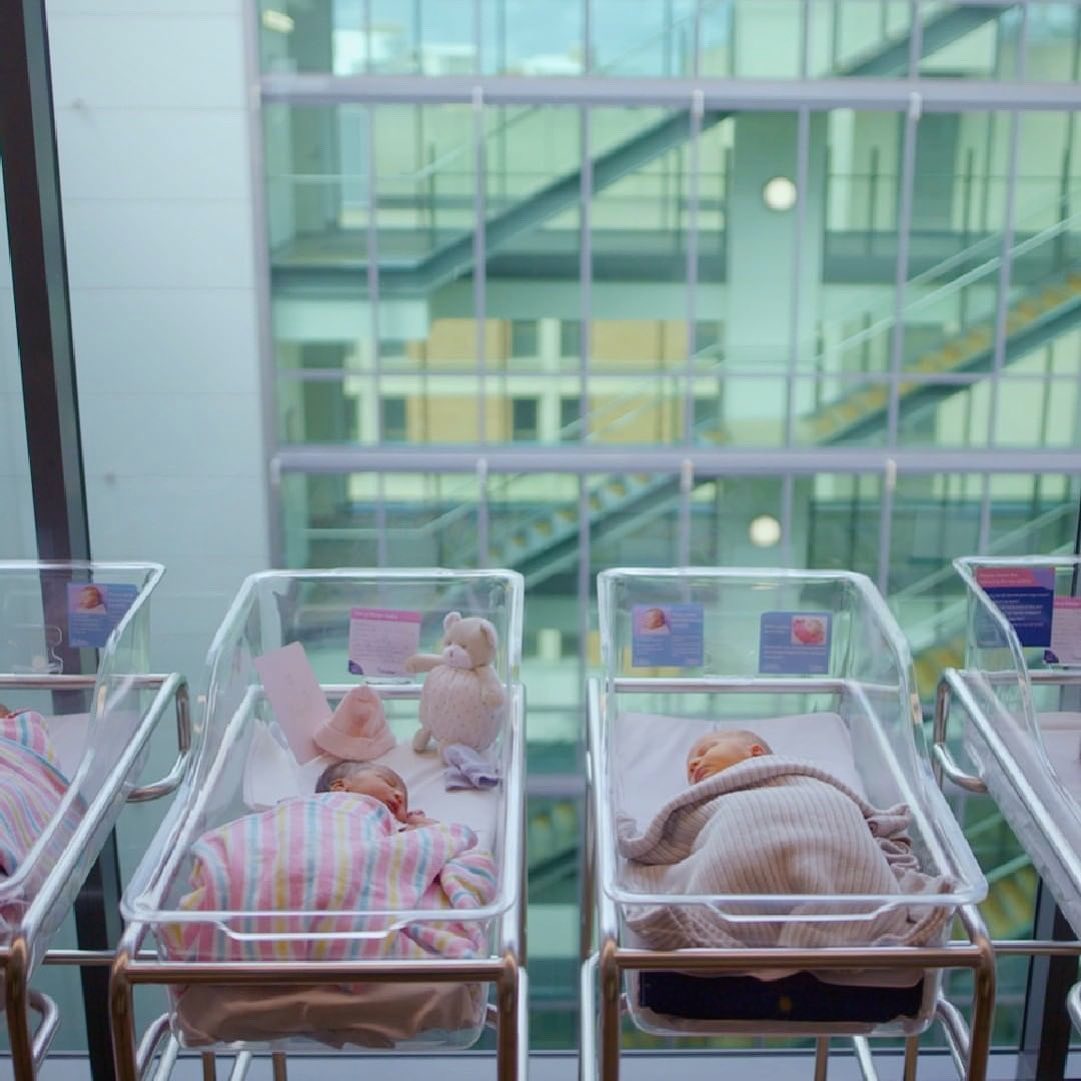
mater mothers
Photo credit: Mater Mothers/Facebook

“We are motivated by the same goal and that’s to provide the very best support to mums and their babies at what is often the most important time in their lives,” he said.

Mr Cameron continues to break stereotypes and is encouraging other men to consider a career in midwifery. He believes it’s an incredibly rewarding job, especially because he becomes part of another family’s memories and milestones.