


Thomas Hill, 37, has pleaded guilty to the hit-and-run that killed Doctor Peter Dunne, who was struck and killed by a vehicle in Tarragindi last February 2019.
According to prosecutors, the groaning noises neighbours initially thought were those of a distressed resident were actually from Dr. Dunne after Hill deliberately hit him with a car. The court heard that in the months leading up to the incident, Hill had become increasingly angry and confrontational, believing his neighbours were bullying and gossiping about him.
Prosecutor Elizabeth Kelso said that on the night of the incident, Hill and his mother were driving separately when they encountered Dr. Dunne on his regular morning run. Hill’s mother claimed Dr. Dunne had called out “idiot or something” and shone his torch into their car, which sparked Hill’s decision to confront the doctor.
Hill then made a U-turn, accelerated, reversed, and struck Dr. Dunne on the calf with the car before driving off. Medical evidence suggested Dr. Dunne fell and hit his head hard on the road, sustaining a catastrophic brain injury. He died six weeks later in the hospital.
Strathfield Street where Dr. Dunne was found before taken to the hospital. Photo Credit: Google Maps
Defence barrister Gregory McGuire told the court that Hill had been mentally unwell for years, with his behaviour escalating before the incident. Neighbours had reportedly heard Hill yelling in the street that he was being stalked and lied about.
Dr. Dunne’s daughters described him as a “pillar of support” and said they felt robbed of future memories like walking down the aisle or their children meeting their grandfather. His sister Lisa McKay called the crime “an evil act” that was “preventable” and “senseless.”
Hill has been in custody since April 2019 and will be sentenced by Justice Michael Copley on August 27. The judge will take into account that Hill had intent to cause serious harm to Dr. Dunne but had a substantially impaired ability to control himself and know he ought not to have acted.
If you or anyone you know is struggling with mental health issues, help is available. Please contact Lifeline on 13 11 14 or Beyond Blue on 1300 22 4636.
The young Sports Aerobics superstars of St Elizabeth’s School in Tarragindi delivered outstanding performances at the 2024 State Championships held in July and are now preparing to compete in the 2024 National Championshipsin the Gold Coast. The 2024 national competition is set to be the biggest yet, spanning five days and expecting to host nearly 2,500 athletes and over 5,000 spectators.
The school’s young athletes demonstrated their skill, dedication, and teamwork, bringing home impressive results and securing a spot in the upcoming National Championships.
Photo credit: St Elizabeth’s School, Tarragindi/Facebook
Leading the charge was the Year 5-6 Team Illuminate, who clinched an impressive 3rd place finish. This stellar performance has earned them a coveted qualification for the National Championships, set to take place next month.
The Year 3-4 Team Starstruck also put on a commendable display, securing 9th place in their category.
Photo credit: St Elizabeth’s School, Tarragindi/Facebook
The school’s success can be attributed in part to their partnership with Meg Ryan Sport Aerobics, which has been running this extra-curricular activity at St Elizabeth’s on a weekly basis.
Photo credit: St Elizabeth’s School, Tarragindi/Facebook
Established in 2020, Meg Ryan Sport Aerobics specialises in competitive and recreational sport aerobics programs at both school and club levels. Their expertise in school-based programs aligns perfectly with government initiatives promoting health, physical activity, and well-being education.
2024 National Championships
Photo credit: Gold Coast Sports and Leisure Centre/Google Maps
The 2024 National Championships is scheduled for 28 August to 1 September 2024. The event will be held at the Gold Coast Sports and Leisure Centre, transforming the Gold Coast into a hub of aerobic activity and competitive spirit.
As Team Illuminate prepares for the national stage, the entire school community rallies behind them, eager to see their hard work and talent shine on a national level.
Seqwater plans to replace two valves at the Tarragindi Reservoir, an integral part of Brisbane’s water system constructed in 1923. The project is anticipated to result in minor inconveniences, but no water supply interruptions are expected.
Built in 1923, the Tarragindi Reservoir is essential for Brisbane’s early water supply. It shows how the city grew and improved its engineering in the early 20th century. The reservoir was one of the first to use new water supply technologies and has been working for over 100 years.
The construction demonstrates Brisbane’s capability to create important public infrastructure in the period between the two World Wars. Its position on Tarragindi Hill enabled the effective distribution of water through gravitational force.
In its initial stages, the Tarragindi Reservoir represented advancement and played a crucial role in the city’s infrastructure, demonstrating the pioneering mindset of that era. The reservoir has been able to stay in operation for over 100 years due to its design and functionality, showing the long-lasting effectiveness of engineering from the early 1900s.
Shack Dwellers
Photo Credit: Reddit
In 1924, behind the reservoir, there was a community of elderly pensioners living in makeshift homes. These men constructed their dwellings using items like kerosene tins, and they established a self-reliant society. They cultivated their own vegetables and utilized water from the reservoir. This concealed settlement represented strength and camaraderie within the community.
The shack dwellers, numbering about 20 to 30, were a diverse group that included war veterans and other pensioners. They built their homes from discarded materials, showcasing their resourcefulness. Living on seven acres of land and neighboring private property, these people exemplified the independent spirit of that time.
Photo Credit: Brisbane John Oxley Library, State Library of Queensland
Despite their modest lifestyles, they were characterized by a strong sense of camaraderie and reciprocal support. They created a sustainable way of life with limited resources, drawing water from the nearby reservoir and cultivating vegetable gardens. Although now gone, this community remains a poignant chapter in the history of Tarragindi, reflecting a bygone era of resilience and camaraderie.
Valve Replacement Project
Seqwater’s planned maintenance at the Tarragindi Reservoir involves replacing two critical valves to ensure continued reliability in the region’s water supply. The project is scheduled in phases, with preparation and preliminary works occurring in July, followed by the main valve replacements in late July and early August 2024.
While minor disruptions such as increased traffic and construction noise are anticipated, Seqwater has assured residents that the water supply will remain unaffected throughout the process.
The valves must be replaced to ensure the reservoir remains functional. This project highlights the importance of balancing the preservation of history with the demands of modern infrastructure.
Community Interest
Local residents are strongly interested in the reservoir’s history. Discussions on platforms like Reddit demonstrate the community’s appreciation for this historic location. The reservoir is viewed as both an essential piece of infrastructure and a significant historical site, and locals share historical maps and anecdotes to highlight its importance.
The Tarragindi Reservoir is a significant part of Brisbane’s past and present, with modern upgrades highlighting its historical importance and community value. Preserving this site, which serves as both a historical landmark and essential infrastructure, ensures its continued significance for Brisbane’s future.
Recent reports reveal that these schools have exceeded Education Queensland’s class-size targets, sparking debates on the impact of class sizes on educational quality.
Education Queensland’s targets set a maximum of 25 students for prep to year 3 and years 11 and 12, and 28 students for years 4 to 10. However, Salisbury State School, along with Mackenzie State Primary School and Wavell Heights State School, failed to meet these targets for the younger grades.
Salisbury State School reported an average class size of 27 for prep to year 3, highlighting the strain on resources and the need for additional support.
Seville Road State School, with an average class size of 30 students, along with Eight Mile Plains State School and Petrie Terrace State School, each with 29 students, also struggled to meet the target for years 4 to 6. The impact of these overcrowded conditions is most acute at Seville Road State School, which, despite having the smallest student population of 121, reported the largest average class size.
Wavell Heights State School, the largest among the six with 418 students, also faces similar challenges. Despite these numbers, some parents argue that class size alone does not determine the quality of education.
East Brisbane State School serves as a contrasting example. With an average class size of 24 for years 4 to 6, it boasts one of Brisbane’s smallest class sizes. This school also recently celebrated a community victory, securing its location through 2026 after plans for a redevelopment of the Gabba were shelved. Parents and students here report high satisfaction rates, with 100 percent of surveyed students expressing enthusiasm for their school and teachers.
Earnshaw State College, a prep to year 12 school in Brisbane’s north-east, represents another positive outlier. It has managed to keep its class sizes well below the target, with an average of 13 students in years 11 to 12 and only 7 percent of prep to year 3 classes exceeding the target. An Education Queensland spokeswoman highlighted that most classes above the target were only slightly over, often by one or two students. She stressed that class-size targets are guidelines rather than strict limits.
Cresta Richardson, President of the Queensland Teachers’ Union, argued that smaller class sizes enable more individual attention and better educational outcomes. She called for full funding of state schools to ensure every child receives the necessary support to thrive.
As these schools continue to grapple with the challenges of overcrowded classrooms, the debate on the importance of class size versus additional support remains critical. The experiences of schools like Salisbury State School and East Brisbane State School highlight the complexities of providing quality education in diverse and often challenging conditions.
In 2022, a Brisbane mum gave birth to premature twins in an ambulance at the Tarragindi exit of the Pacific Motorway, only to be diagnosed with endometrial cancer days later while her newborns fought for life in hospital.
Tara Bishop, 33, from Sunnybank Hills, was being rushed to Mater Mothers’ Hospital in October 2022 when her labour progressed rapidly. The ambulance crew had to pull over at the Tarragindi exit, where Evelyn and Harvey were born two months early.
“What was supposed to be a happy time of our lives very quickly turned into an emotional rollercoaster,” Ms Bishop said.
Cancer Diagnosis Shock
Just 11 days after the twins’ dramatic birth, while they were still in the Neonatal Critical Care Unit (NCCU), Ms Bishop received devastating news.
“I was in a state of shock, dealing with the twins coming so early and then the diagnosis,” she explained. Routine pathology tests on her placenta had detected endometrial cancer.
Photo Credit: Tara Bishop Tarragindi
Dr Naven Chetty, a gynaecological oncologist at Mater Private Hospital Brisbane, described the case as rare.
“It is extremely rare for a patient to be diagnosed with this type of cancer during pregnancy,” he said.
Treatment and Recovery
Ms Bishop underwent a hysterectomy and removal of her fallopian tubes. Dr Chetty stated, “Given her low stage and low grade cancer, we would expect a cure.”
The couple is sharing their story during Uterine Cancer Awareness Month this June. Endometrial cancer is the most common gynaecological cancer in Australia, claiming around 550 lives annually.
Dr Chetty urged women to seek medical attention if they experience:
– Any bleeding in post-menopausal women
– Persistent or abnormal bleeding in younger women
Family’s Positive Outlook
Despite the challenging start, Ms Bishop remains optimistic. “When I look at my babies today I believe they are my little lifesavers,” she said.
The twins, now almost two, are thriving. “At no point would you look at the twins and know they were born two months’ premature,” Ms Bishop added, highlighting the resilience of her family through this extraordinary journey.
In the shadow of the Great Depression, a makeshift community emerged in Tarragindi. Known locally as the “Pensioners’ Camp,” this area became a refuge for those who had lost everything in the economic turmoil of the 1920s and 1930s. The story of this camp is a testament to resilience, philanthropy, and the stark realities of poverty during one of history’s most challenging periods.
A resident and his house at the Old Aged Pensioners’ Camp, Tarragindi, Brisbane, ca 1925 (Photo credit: State Library of Queensland)
The Pensioners Camp began to take shape in the mid-1920s, providing shelter for families rendered homeless by the Great Depression. The land, located near the Tarragindi reservoir, was owned by Dr James O’Neill Mayne, a notable Brisbane philanthropist.
Dr Mayne generously allowed destitute individuals to erect temporary shelters on his property. These makeshift homes were described as “rude humpies,” constructed from bush timber and eked out with flattened kerosene tins and other scraps of metal.
Life in the Camp
Residents at the pensioners’ camp (Photo credit: trove.nla.gov.au)
At its peak, the Pensioners Camp housed up to 500 huts scattered across the Tarragindi hills and gullies. The Brisbane Municipal Council eventually recognised the growing population and provided nine sanitary buildings to improve living conditions. The camp’s residents, who included families of mixed Aboriginal and Indian heritage, created a close-knit community despite the hardships they faced.
Dr James O’Neill Mayne: The Benefactor
Doctor James O’Neill Mayne (Photo credit: John Oxley Library, State Library of Queensland)
The story of the Pensioners Camp cannot be told without acknowledging Dr James O’Neill Mayne. Dr Mayne was one of the children of Patrick Mayne, a man who migrated to Australia from Ireland in 1841 and worked as a butcher but later became a businessman.
He became one of Brisbane’s wealthiest individuals and even became an one of the aldermen on the first Brisbane Municipal Council in 1859.
Patrick Mayne’s legacy was marred by controversy, as he allegedly confessed to a murder on his deathbed. In 1848, a sawyer named Robert Cox was brutally murdered at Kangaroo Point, and a significant sum of money was believed to have been stolen.
According to the book The Mayne Inheritance by Rosamond Siemon, Patrick Mayne confessed to Cox’s murder before he passed away in 1865 from an unknown illness. He left behind a widow and five children, who had to endure a hostile colonial society that ostracised them for being the offspring of a confessed murderer.
Despite this dark shadow, Patrick Mayne’s children, particularly Dr Mayne, used their inherited wealth for philanthropic purposes.
Dr Mayne’s most significant contribution was funding the purchase of 270 acres of land at St Lucia, which became the main campus of The University of Queensland. His generosity extended to the Pensioners’ Camp, where he allowed the residents to stay indefinitely. Even after his death in 1939, his will purportedly ensured that the camp’s inhabitants could remain as long as they chose.
The Decline of the Camp
Photo credit: trove.nla.gov.au
After World War II, the camp’s population began to spread, with some residents moving to areas behind the former US Army Staging Camp near Mayfield Road, Moorooka. This expansion included a “coloured people’s area,” home to families of mixed Aboriginal and Indian races. In 1950, the Brisbane City Council attempted to clear out this area, but many campers remained until the mid-1950s.
The last resident of the original Pensioners Camp reportedly died in the 1970s. True to Dr Mayne’s wishes, the land was not sold or repurposed until the final occupant had passed away. This enduring respect for the displaced speaks volumes about Dr Mayne’s character and the legacy of compassion he left behind.
A Legacy of Resilience
The Pensioners Camp of Tarragindi is a poignant reminder of the human capacity for resilience in the face of adversity. The makeshift homes, constructed from flattened kerosene tins and other salvaged materials, symbolise the ingenuity and determination of those who lived there. Their stories, preserved through oral histories and the efforts of local museums, continue to inspire and remind us of a challenging yet remarkable chapter in Brisbane’s history.
As Brisbane continues to grow and evolve, the legacy of the Pensioners Camp and the benevolence of Dr James O’Neill Mayne remain integral to the city’s rich tapestry. This chapter serves as a powerful testament to the enduring spirit of community and the impact of philanthropy during times of profound hardship.
‘Onival’ in Tarragindi stands as a quiet witness to the transformation of Brisbane, from a rugged bushland to a thriving suburb. Built circa 1919 for motor mechanic Joseph Edyvean-Walker, his wife Jeanne, and their children, this Interwar multi-gabled residence was among the first homes constructed in the then-undeveloped Sandy Creek area.
The property’s roots trace back to 1862 when a 55-acre parcel of land was sold for freehold purposes. Over the following decades, the land changed hands several times, was gradually subdivided, and was eventually sold to William J. Cook in 1916. Jeanne Edyvean-Walker purchased a portion of Cook’s land in 1917, securing a mortgage loan to build their new home.
Construction and Naming
Photo Credit: Screengrab from Google Map
The house, completed in 1919, was named ‘Onival’ after a French seaside resort in the Somme District, holding sentimental value for the couple. The Edyvean-Walkers further expanded their property holdings in the subsequent years, owning a substantial piece of land by June 1922.
The early 1920s marked a period of significant development for the area. The formation of the Sandy Creek Progress Association, the opening of Andrew Avenue in 1925, and the inclusion of the area in Brisbane’s water grid in 1923 all contributed to its growth. By 1928, the area had even become home to a semi-permanent encampment of old-aged pensioners.
Transformation of the Area
‘Onival’ itself underwent several changes, expanding with the Edyvean-Walker family. The addition of a third bedroom, two side verandahs, a new enclosed back landing, and a new kitchen were among the modifications made in the late 1920s. Tragically, in 1933, the family experienced the loss of their son Ian, who drowned in the nearby Sandy Creek.
Despite this devastating event, Jeanne continued to reside at ‘Onival’ with her remaining children, further altering the house during the 1930s. The extension of tram lines in the late 1930s spurred further development, and by 1946, Tarragindi Road was lined with houses.
The post-World War II housing boom in the 1950s saw the complete urbanisation of Tarragindi. In 1951, Jeanne began to subdivide her property, selling portions to different buyers. Since Onni W. Lindstrom bought “Onival,” it has remained on its current piece of land.
‘Onival’ serves as a living reminder of Tarragindi’s evolution, its architectural style reflecting the transition from a semi-rural district to a suburban landscape.
The house’s alterations and extensions mirror the changing needs of the Edyvean-Walker family and the broader community over time. As Tarragindi continues to grow and evolve, ‘Onival’ remains a cherished part of its history, a testament to the resilience and adaptability of both a family and a suburb.
Preparation: Check the Council’s website to see what qualifies for kerbside collection and explore alternative options for usable items.
Collection Day: Place accepted items on the kerbside in front of your property by 6:00 a.m. on the first day of the collection period.
Think Twice Before You Toss:
The Council encourages residents to donate usable items to friends, family, charities, or reuse organisations like GIVIT or Charitable Recycling Australia. The Endeavour Foundation runs Brisbane’s Treasure Troves, which also accepts donations in good condition.
Acceptable: bathtubs, bicycles, carpets, electronics (minus batteries!), furniture, appliances, mattresses, small appliances, and wood under 1.5 metres.
Unacceptable: hazardous materials, garden waste, construction debris, car parts, liquids, batteries (dispose of them at Council’s resource recovery centres!), and large piles exceeding two cubic metres.
Important Tips:
Ensure easy and safe lifting for collection crews by keeping items manageable.
Remove the refrigerator and cupboard doors for easier handling.
Secure items during bad weather forecasts.
The council won’t collect unacceptable items left on the kerb, and illegal dumping fines may apply.
By utilising the kerbside collection service responsibly, Tarragindi residents can declutter their homes and contribute to a more sustainable environment.
As Mother’s Day approaches, the community of Tarragindi is gearing up for a celebration that goes beyond mere tradition – the Tarragindi Mother’s Day Markets.
This annual event, which will be held on May 4th, 2024 at Wellers Hills Bowl Club, has become a symbol of community spirit and creativity. It’s also a great place to honour and enjoy the amazing women in our lives.
The Tarragindi Mother’s Day Markets have been an important part of the community’s calendar for years, and people from nearby neighbourhoods look forward to them every year. As a heartfelt tribute to mothers, grandmothers, and all other maternal figures, this beloved custom shows appreciation for their unwavering love, devotion, and sacrifices.
Photo Credit: Facebook/ Mothers Day Market 2022
A Showcase of Local Talent and Creativity
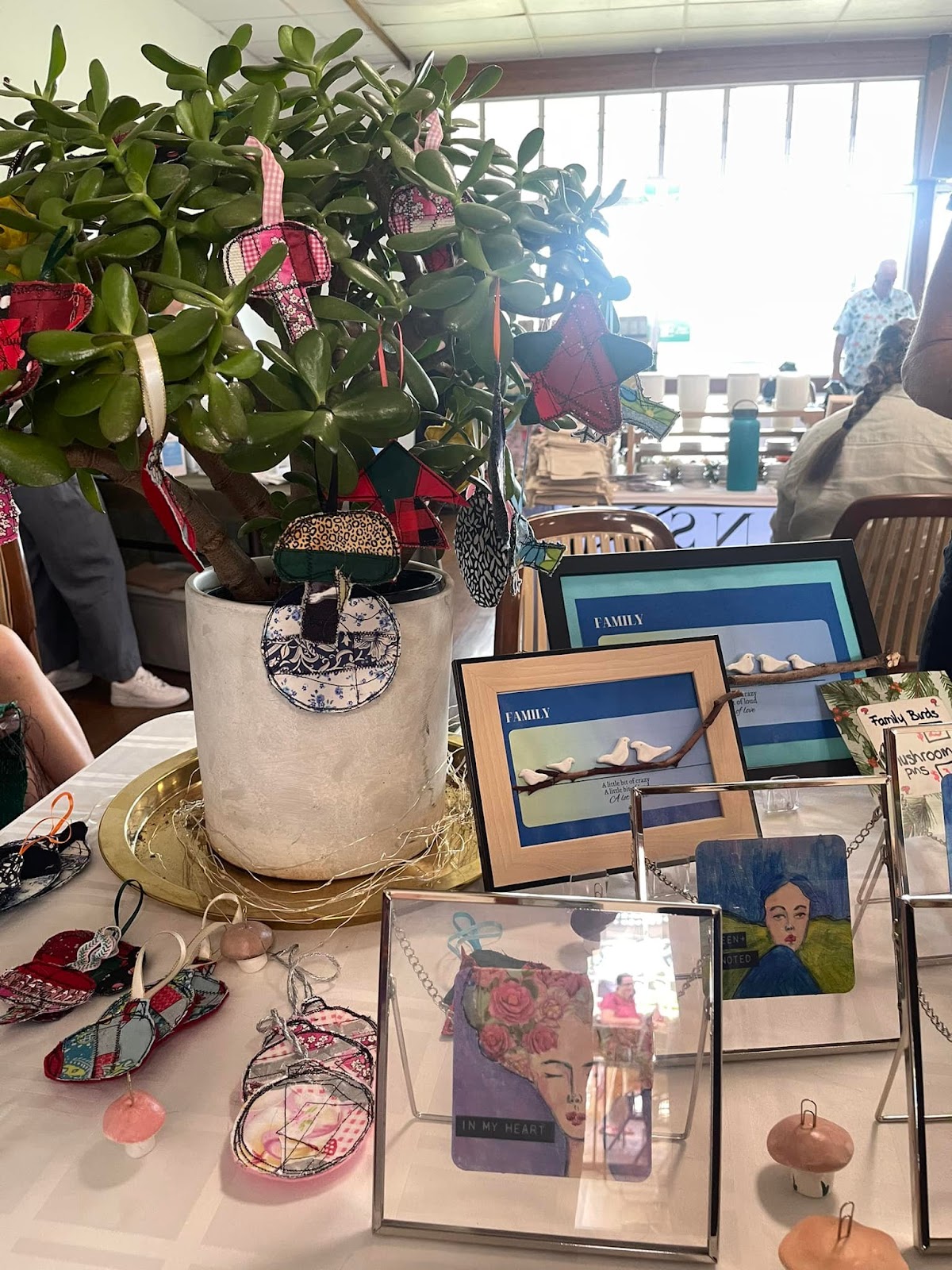
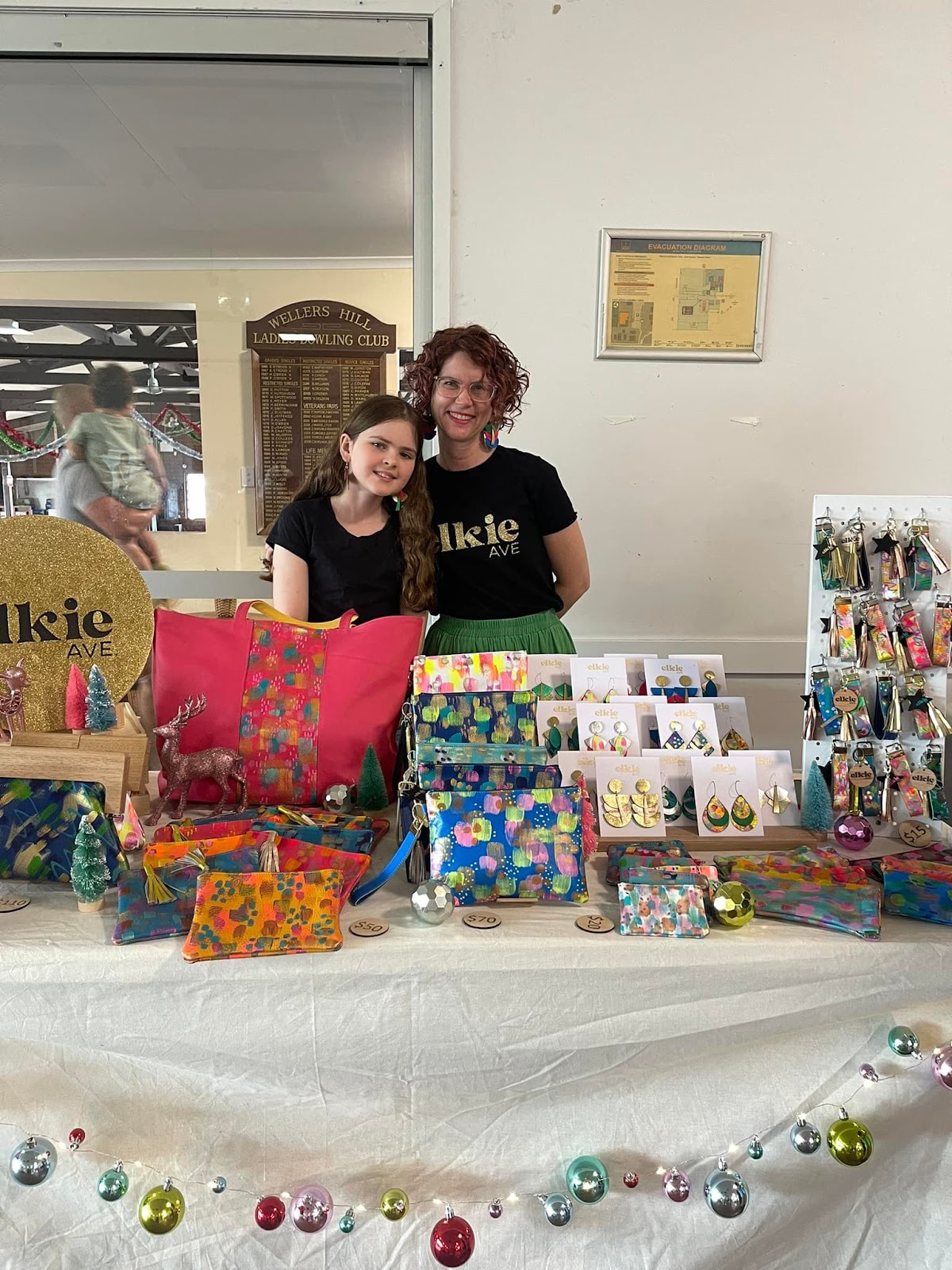
The event focus on creative and talented people from the area. From jewellery made by hand to chocolates made by hand, each stall shows a different side of the creative scene in Tarragindi and the nearby places. People can find one-of-a-kind gifts here that not only honour mums but also help local artists and companies.
Photo Credit: Facebook/ Mothers Day Market 2022
A Culinary Journey of Delight
There aren’t any celebrations that are complete without tasty treats, and the Tarragindi Mother’s Day Markets take this very seriously. There’s something for everyone, from fancy food trucks serving delicious treats to stands selling homemade cakes and pastries. The food at the markets is sure to please, whether you’re looking for a relaxing lunch with your family or a sweet treat to give mum as a gift.
Photo Credit: Facebook/ Mothers Day Market 2022
A Day of Family Fun and Entertainment
This event has a lot of fun things for the whole family to do besides shopping and eating. The air is filled with the joyful sound of live music, making it a great place to enjoy the day. The event is fun for kids of all ages because there are lots of different things to do, like face painting and craft classes.
The Tarragindi Mother’s Day Markets are a celebration of community spirit and getting to know each other. On this day, neighbours honour the important women in their lives by getting together and making memories that will last a lifetime. The friendly people of Tarragindi will make a mark on you, whether you’ve lived there for a long time or this is your first time visiting.
As Mother’s Day approaches, mark your calendars for a day of celebration, appreciation, and community spirit at the Tarragindi Mother’s Day Markets. Whether you’re shopping for the perfect gift, indulging in delicious food, or simply enjoying the company of loved ones, this beloved event promises a day filled with love, laughter, and unforgettable moments. Come join us as we celebrate mothers and the bonds that unite us all.
The Brisbane Oratory In Formation, located in Tarragindi, has denied rumours of plans to establish a Prep-Year 12 school run by an ancient Catholic movement on Messines Ridge Rd.
The unconfirmed reports were fuelled by flyers distributed anonymously and shared on social media, suggesting that the Oratory intended to expand the site to accommodate up to 600 additional attendees at four weekly Latin Masses.
However, the Oratory, tracing its roots back to the 16th century under St. Philip Neri, maintains that these claims are unsubstantiated.
Since its introduction to Brisbane in 2015, the Oratory has expanded its presence, receiving care from various parishes, including Tarragindi and Annerley, from Brisbane Catholic Archbishop Mark Coleridge.
While plans for a new school, tentatively named St. John Henry Newman College, have been accredited, the Oratory clarified that the site has long been zoned for educational purposes.
Contrary to rumors, the primary school set to open in 2026 on the Messines Ridge Rd property will cater initially to Prep-Year 3 students, with eventual plans for expansion to high school grades on a separate site. The Oratory assured that any assertion of purchasing the St. John Fisher land is inaccurate.
Photo Credit: Google Maps
The proposed school has sparked concerns among locals regarding increased traffic congestion and its potential environmental impact. Some residents worry about the strain on already limited parking availability and the loss of green space.
Additionally, there are fears that the development process could bypass community input through Ministerial Infrastructure Designation, limiting public notification and appeals.
State MP Mark Bailey has pledged to monitor the situation closely, emphasising the need for development to align with the residential character of Tarragindi. However, the Archdiocese of Brisbane clarified that St. John Henry Newman College operates independently, catering to families seeking a classical education model, regardless of religious affiliation.