



New Mole Genetics Study May Help Explain Melanoma Risk in Tarragindi

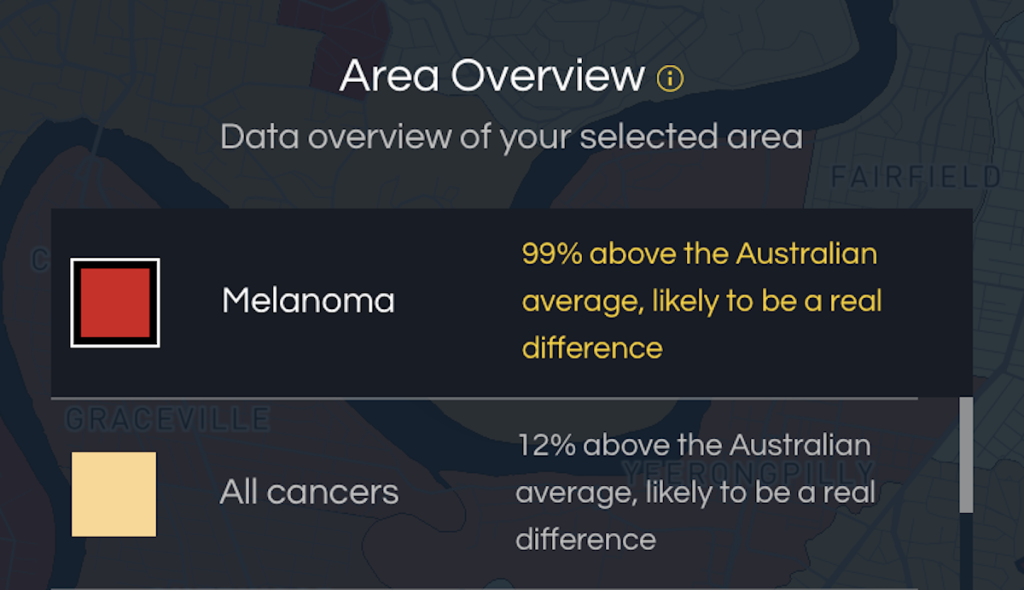
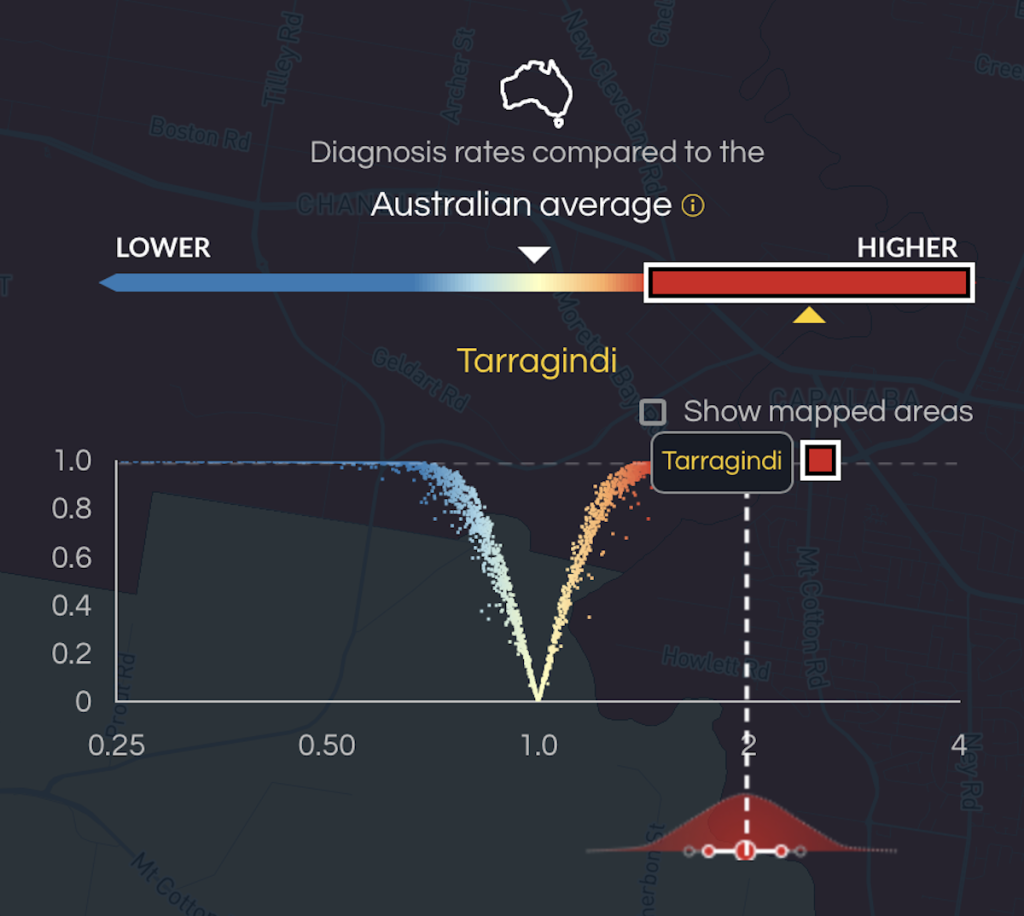
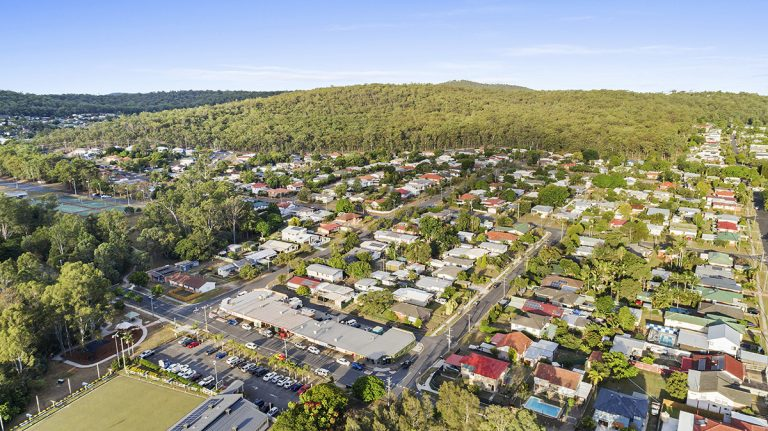
A major Australian study has identified dozens of new genetic regions linked to mole development, a breakthrough that could eventually improve melanoma screening and treatment for people at higher risk of the disease. The findings may be particularly relevant for communities such as Tarragindi, where Australian Cancer Atlas data shows melanoma diagnosis rates are almost double the national average.


Researchers from QIMR Berghofer Medical Research Institute in Brisbane led the world’s largest genetic study into what determines how many moles a person develops. Published in Nature Communications, the research analysed genetic data from 85,965 people and identified 24 previously unknown genetic regions associated with mole count.

Scientists say the work provides important new clues about melanoma, Australia’s deadliest form of skin cancer.

Scientists Turn Attention to the Genetics Behind Mole Growth

Researchers have long known that people with large numbers of moles face a greater risk of developing melanoma. However, much less has been understood about the genes that influence why some people develop more moles than others.

The QIMR Berghofer team set out to answer that question by examining DNA data collected through 14 large international studies.

Lead author Shanika Jayasinghe and senior author Associate Professor Matthew Law found 29 genetic regions associated with mole count, including 24 that had not previously been identified in studies focused specifically on moles.

The researchers also identified more than 250 genes that may influence mole development and melanoma risk, providing new avenues for future investigation.

Photo Credit: Supplied

Moles and Melanoma Share the Same Cellular Origin

The study highlights the close biological relationship between moles and melanoma.

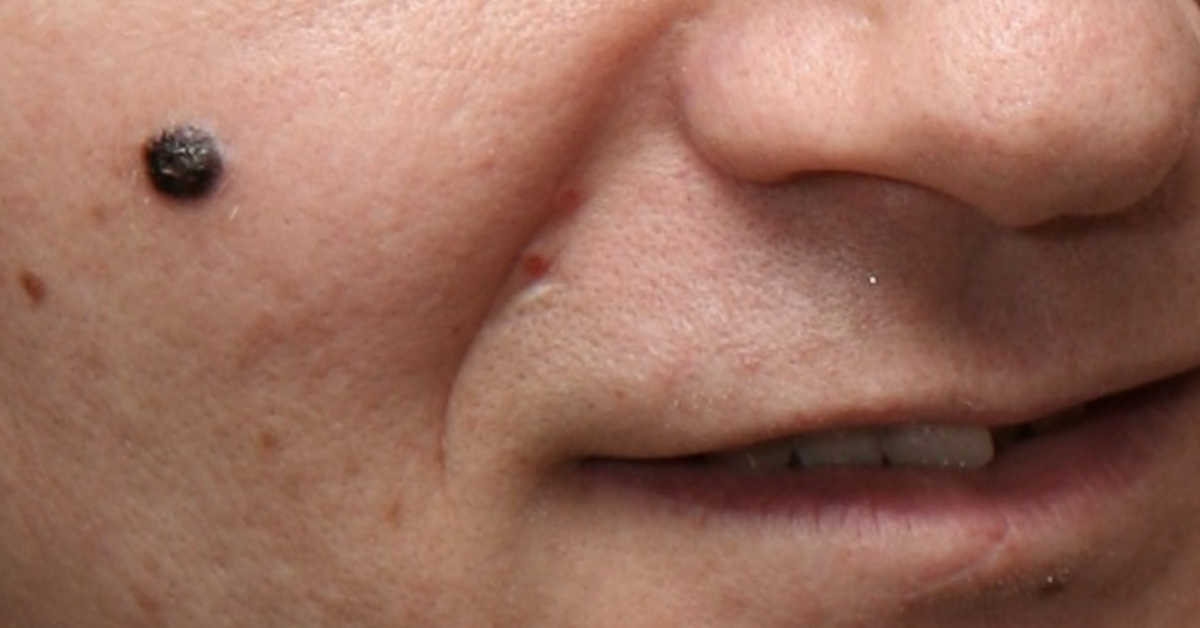
Both develop from pigment-producing skin cells known as melanocytes. A mole forms when melanocytes multiply and then stop growing. Melanoma develops when those cells continue to grow uncontrollably and become cancerous.

Researchers found that nearly all of the genetic regions associated with mole count also played a role in melanoma development.

Their analysis showed that people with a genetic tendency to develop more moles also carry a higher inherited risk of melanoma, reinforcing the connection between the two conditions.

Tarragindi Records One of the Highest Melanoma Rates in the Region

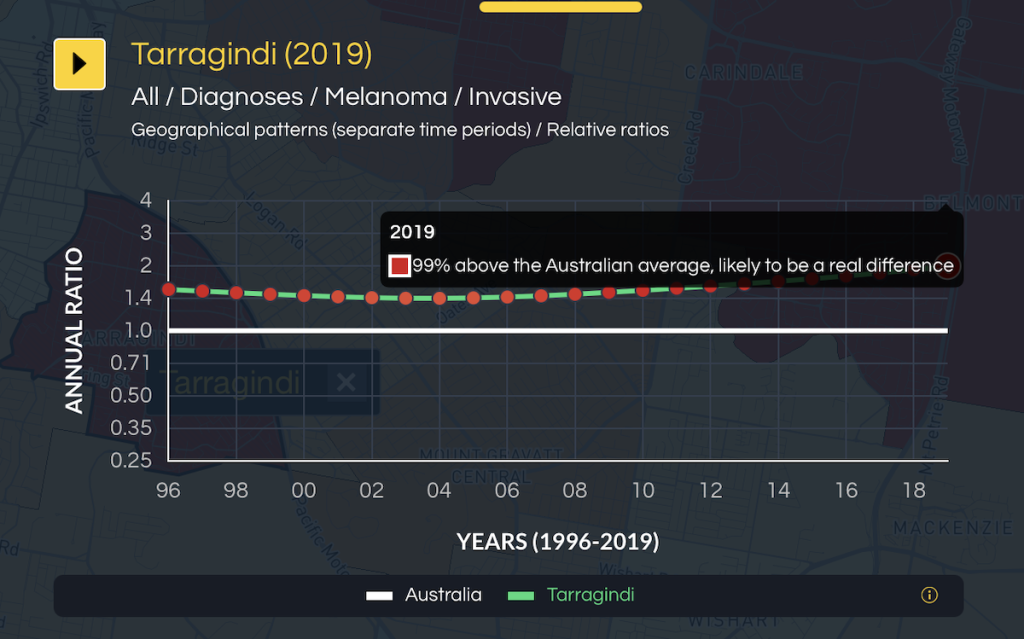
The findings carry particular significance for Tarragindi, where Australian Cancer Atlas data shows melanoma diagnosis rates were 99 per cent above the Australian average in the latest available figures.

The Atlas classified the difference as likely to be a genuine variation rather than a statistical anomaly.

Historical data also shows the suburb’s melanoma rates remained consistently elevated between 1996 and 2019, tracking well above the national average throughout the period.

While the Atlas does not identify the causes behind the higher incidence, researchers acknowledge that both environmental exposure and inherited genetic factors contribute to melanoma risk.

Discovery Could Lead to More Accurate Risk Assessment

One of the newly identified genes highlighted by the researchers is SIKE1, which is involved in regulating immune responses.

Scientists believe the gene may influence the body’s ability to detect and control abnormal melanocyte growth. Further studies will be needed to determine whether the pathway could eventually be targeted through future therapies.

The team also developed a Polygenic Risk Score designed to estimate a person’s inherited tendency to develop large numbers of moles.

Although still in the research phase, genetic risk scores may one day help doctors identify people who face a greater likelihood of developing melanoma and would benefit from more frequent skin checks and monitoring.

Early Detection Still Plays a Vital Role

Researchers emphasise that genetic discoveries do not replace the importance of sun protection and early detection.

Melanoma continues to claim around 1,400 Australian lives each year despite significant advances in treatment.

Regular skin examinations, the use of sunscreen, protective clothing and limiting exposure to ultraviolet radiation remain among the most effective ways to reduce the impact of the disease.


For suburbs such as Tarragindi, where melanoma rates remain substantially above the national average, the latest research offers hope that future screening programs may become more precise and better targeted towards those most at risk.

Published 17-June-2026


Toohey Road Set for Upgrade Under Brisbane’s Operation Smooth

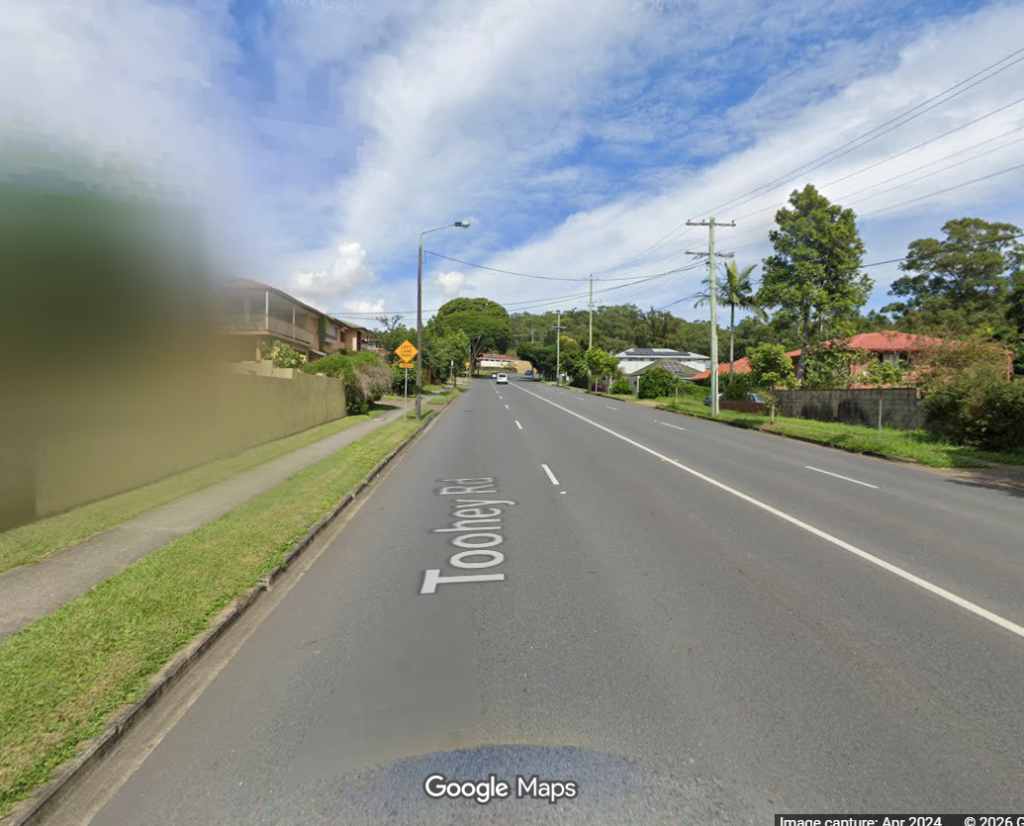
Toohey Road in Salisbury is among the roads included in a $110 million resurfacing program covering almost a million square metres of road surface across Brisbane, with the works branded “Operation Smooth” forming part of a broader $1.9 billion transport and infrastructure package for the coming year.


For Tarragindi and Salisbury residents, the resurfacing arrives on a road that has already seen significant recent investment of a different kind, just metres from where koalas and other wildlife now cross safely beneath the bitumen.

A road that runs through Toohey Forest

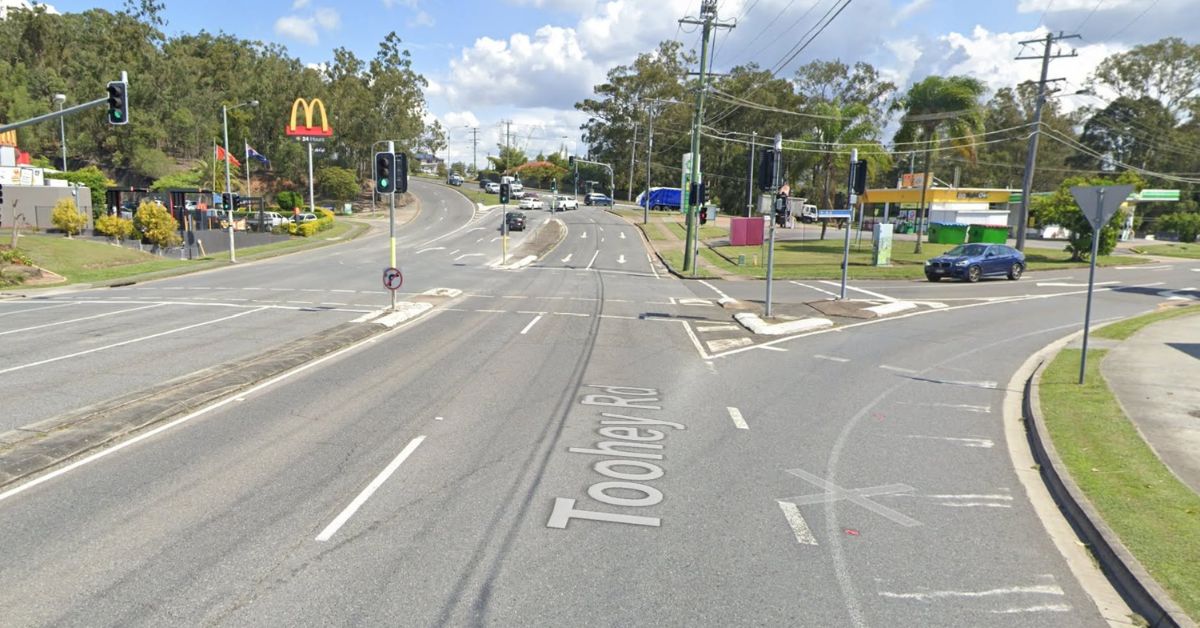
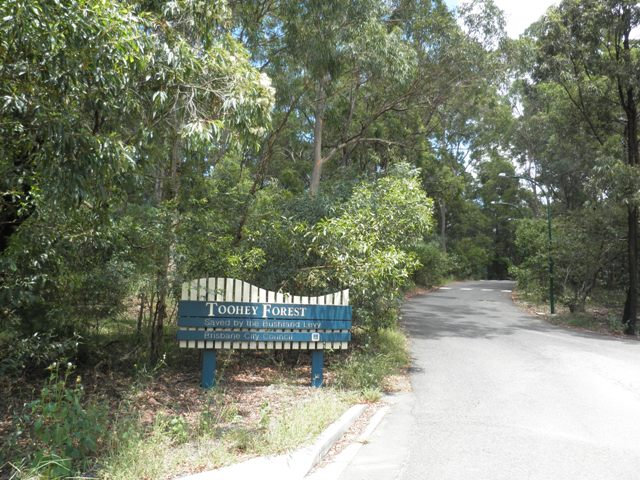
Toohey Road carries traffic along the edge of Toohey Forest, one of Brisbane’s most significant urban bushland reserves and home to a resident koala population that has long faced the basic problem of needing to cross a busy suburban road to move between habitat areas.

Photo Credit: Google Maps

Salisbury sits roughly 12.4 kilometres south of the Brisbane GPO, with Toohey Mountain and its surrounding reserve forming the suburb’s north-eastern boundary.

Photo Credit: Mark Ward Property

A purpose-built wildlife underpass on Toohey Road was completed recently, giving koalas and other native animals a dedicated, safe crossing point beneath the road rather than forcing them to navigate traffic at ground level.

The project involved installing fencing fitted with wildlife escape hatches on either side of the underpass to guide animals toward the crossing, along with mulch and natural material placed at the base of the culvert to encourage use and help the structure blend into the surrounding habitat. Some minor finishing touches around the site were completed in early 2026.

The resurfacing works now planned for Toohey Road sit alongside that wildlife infrastructure, meaning the road corridor through this stretch of Salisbury has had a genuinely active year of construction activity, addressing both surface quality for motorists and safe passage for the animals living in the forest beside it.

Connecting suburbs, commuters and bushland

Toohey Road functions as a key connector for residents and commuters travelling between Tarragindi, Salisbury and the broader southern Brisbane network, linking through to Toohey Mountain Reserve and onward toward Sunnybank and Macgregor.

Photo Credit: BCC

Bus route 120 runs along the corridor, connecting Garden City to Brisbane City, with a stop directly at Toohey Forest that has seen its own temporary adjustments during the underpass construction period.

The combination of through-traffic, bus services and proximity to bushland recreation areas makes Toohey Road a road that genuinely earns its place in a resurfacing priority list, carrying enough daily use to justify the investment in a smoother and safer surface.

Next steps for the project

Brisbane’s standard approach to resurfacing involves advance notice to residents and motorists before works begin, with councils typically flagging in advance whether disruption will include night works, temporary lane closures, reduced speed limits or vehicle relocation requirements. A detailed construction schedule for Toohey Road has not yet been released, so the exact timing and duration of works remains to be confirmed.

Once complete, the resurfacing is expected to deliver a smoother, safer driving surface on a road that already represents one of Brisbane’s better examples of balancing traffic infrastructure with wildlife conservation in the same stretch of bitumen.

For updates on roadworks and closures, residents can check QLDTraffic’s live traffic alerts or click here.


Published 17-June-2026

Bizarre Breakfast Blunder Ends in Smashed Car for Tarragindi Family

A Tarragindi family has been left with a damaged vehicle and a frightened household after a confused food delivery rider was caught on camera aggressively vandalising their car over a mistaken breakfast order.


A Confusing Morning Drop-Off

The bizarre chain of events began on a Wednesday morning, 27 May, at 7:15 a.m. when a rider arrived at the wrong address to deliver a bacon and egg roll, coffee, and chips. 

The homeowner reported that after answering the intercom and informing the rider of the mistake, the man simply left the meal on the front steps and departed on his scooter. The residents brought the food inside and continued with their typical morning routine, completely unaware of how the situation would rapidly escalate.

Frightening Behavior

The situation took an alarming turn when the rider returned to the property twelve minutes later. Security footage captured the man jumping the front fence and forcefully banging on the door when the residents did not answer the intercom. The homeowner noted that his teenage daughter was upstairs at the time and was far too terrified by the loud yelling and banging to go downstairs and open the door.

Senseless Property Damage

By 7:32 a.m., the rider’s frustration boiled over into physical damage. Video evidence shows the man kicking the side mirror off the family’s parked car, leaving behind additional scratches on the vehicle. The homeowner discovered the destruction only when heading outside to leave for work shortly after. In a final strange twist, the rider returned to the house one last time at 7:45 a.m. to photograph the property before disappearing completely.


Investigations Underway

Local police and Uber are now investigating the footage and the resulting property damage. A spokesperson for the delivery company confirmed they are taking the matter very seriously, noting that such behaviour violates their community guidelines and will result in appropriate action. Ironically, company policy dictates that riders cannot take back incorrect food items due to strict health and safety rules, meaning the rider’s aggressive attempts to retrieve the breakfast were entirely against standard procedure.

Published Date 03-June-2026

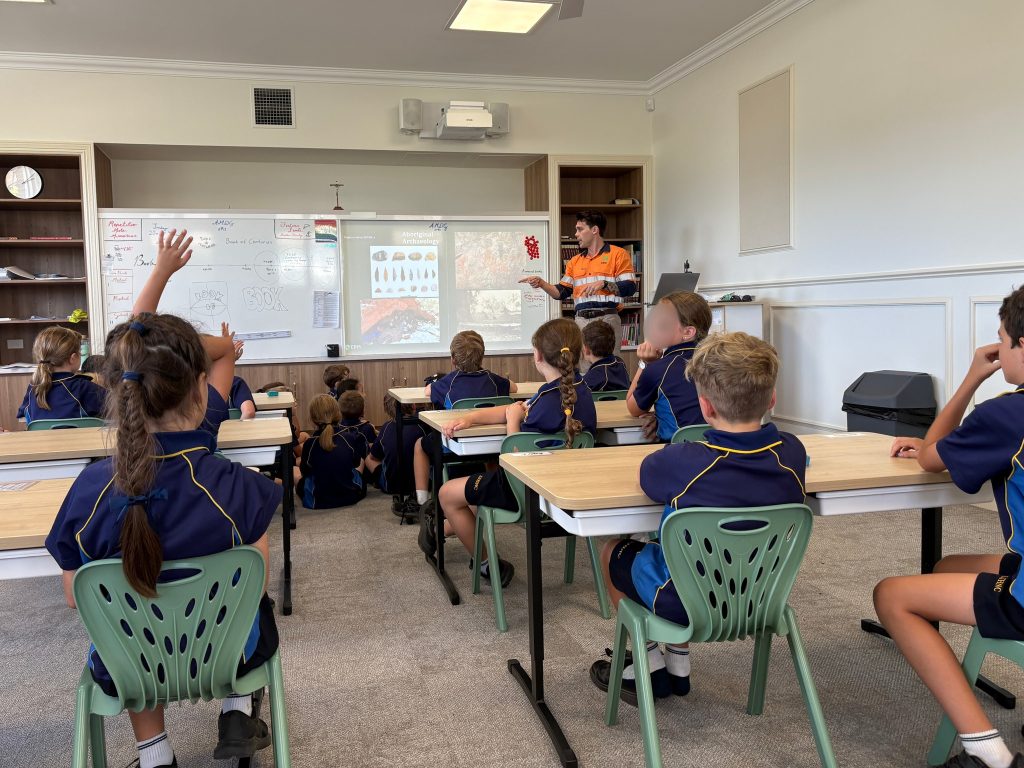
New Catholic College Opens in Tarragindi with Strong Demand and Big Ambitions

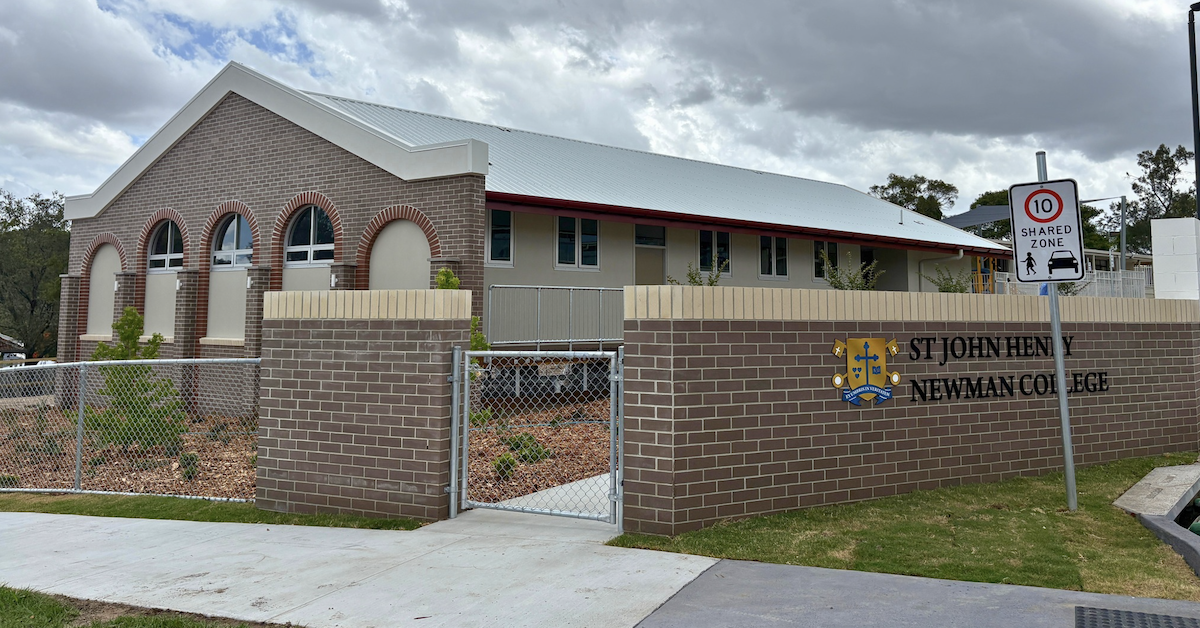
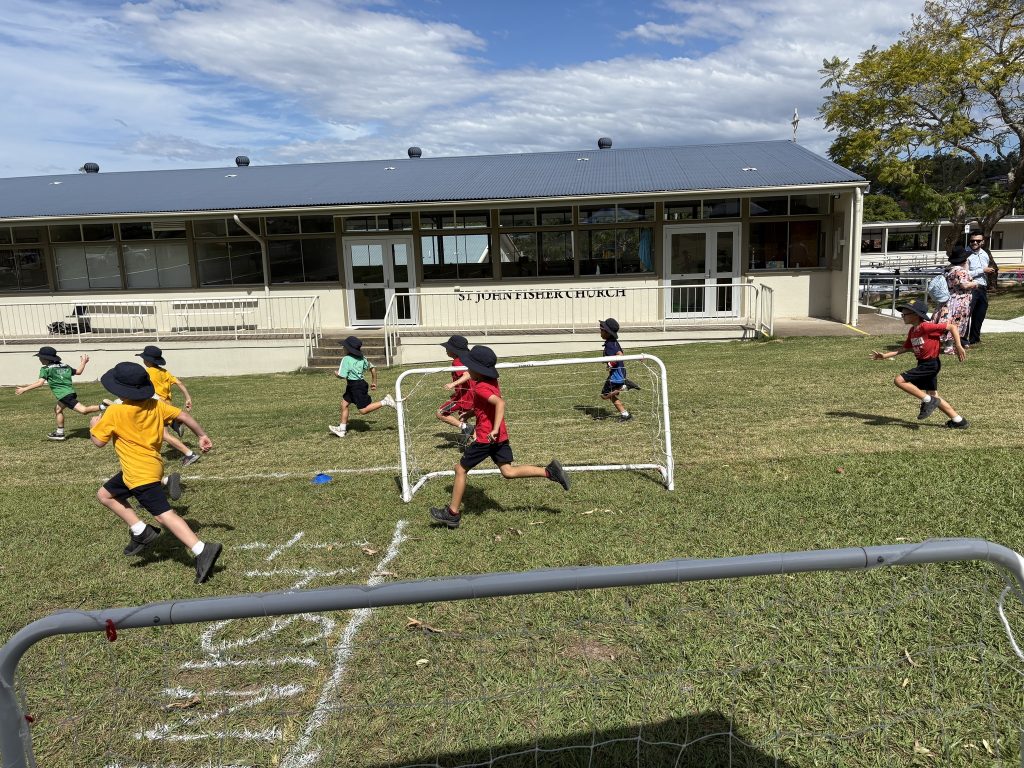
St John Henry Newman College in Tarragindi has officially opened, marking a significant step forward for the long-planned Catholic school, which has now welcomed its first students.


The new college, based on the grounds of St John Fisher Church on Messines Ridge Road, launched with an initial cohort of 46 students and a curriculum built around classical education traditions.

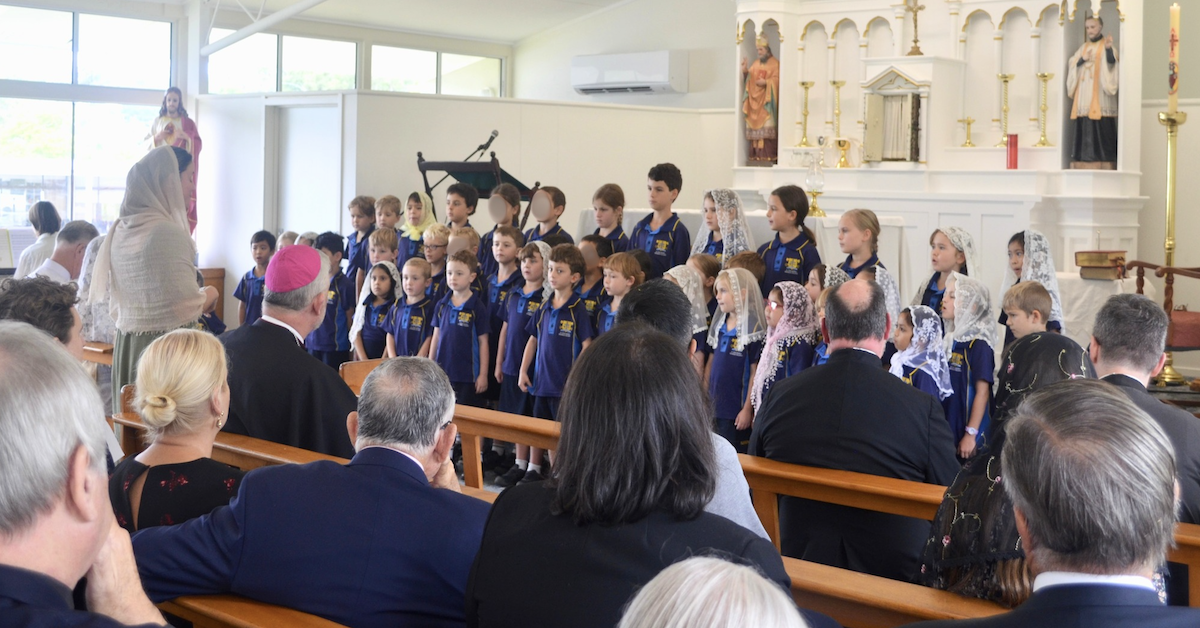
At the official opening Mass, Shane Mackinlay encouraged students and teachers to follow the example of the school’s namesake, St John Henry Newman, describing education as more than job preparation — but a lifelong pursuit of truth.

He told the gathering that learning should be an “ongoing inquiry” that is both “ennobling and enlightening”, rather than something shaped purely by economic outcomes. Reflecting on the Christian foundation of the school, he added: “At the heart of the Christian faith is the crucified Christ… a person who gives Himself in love.”

Former prime minister Tony Abbott also addressed attendees, framing the school’s opening as part of a broader cultural moment. He described it as a “new beginning” grounded in the pursuit of deeper truth, arguing that such ideals remain essential in modern society.

Principal Dr Kenneth Crowther said the college would focus on forming students through the “cultivation of wisdom and virtue”, with the belief that strong academic and career outcomes would follow from those foundations.

The opening also drew support from figures including former Queensland parliamentary speaker John Mickel and board member James Power, who offered messages of encouragement to the school community.

Despite only just opening, demand is already outstripping capacity. The college has received 37 applications for next year’s prep intake — nearly double the available places — with enrolments reportedly oversubscribed through to 2030.

Students at the college will study a wide range of influential thinkers, spanning figures such as Augustine of Hippo and Thomas Aquinas through to Plato, Aristotle, John Milton and Mary Shelley — reflecting its classical liberal arts approach.


The ceremony concluded with students performing St John Henry Newman’s hymn Lead, Kindly Light, offering a symbolic close to a day that signals the college is now firmly up and running.

Published 29-April-2026

Tarragindi School Sees Enrolment Surge Following Launch

Tarragindi has become the setting for a new Catholic college that is gaining attention well beyond its suburb. St John Henry Newman College has begun its first year with a small group of students, but enrolment interest has surged, with families securing places years in advance as demand outpaces capacity.


Opening Mass brings community together in Tarragindi

The college marked its beginning with an opening Mass attended by students, parents and supporters. Archbishop Shane Mackinlay led the service and addressed the school community, framing education as a lifelong search for truth rather than a narrow path to employment. He pointed to the example of John Henry Newman, whose commitment to intellectual inquiry shaped the identity of the new college.

The Archbishop described learning as something that should engage the whole person, not just focus on memorising information. He also spoke about the Christian faith as something lived and personal, centred on the figure of Christ.

Students later performed Newman’s hymn Lead, Kindly Light, adding a reflective tone to the gathering.

A different model of learning takes shape

The college follows a classical education model, which places strong emphasis on literature, philosophy and theology. Its curriculum includes works from thinkers such as Plato, Aristotle, Augustine of Hippo and Thomas Aquinas, alongside writers like Mary Shelley.

Information from the college’s official website shows the school is built around the pursuit of truth, beauty and goodness, with a focus on forming both intellect and character. Lessons aim to develop reasoning, discussion and careful reading, rather than relying heavily on digital tools.

This approach reflects a broader shift among some families seeking alternatives to mainstream schooling, particularly models that place less emphasis on technology and more on foundational knowledge.

High demand signals strong local interest

The college began with 46 students, but early demand has been strong. Applications for the next intake have exceeded available places, reflecting growing interest from families across Brisbane. The school plans to expand gradually by adding year levels over time.

Principal Dr Kenneth Crowther has outlined a focus on developing wisdom and virtue as the foundation of education. In his view, strong academic outcomes and future work opportunities follow naturally when these areas are prioritised.

A growing presence in Brisbane’s south

The Tarragindi campus was designed as a staged development, beginning with early primary years and expanding as enrolments grow.

The school has also been recognised by the Institute for Catholic Liberal Education as part of a network of classical Catholic schools worldwide. This places the Tarragindi college within an international trend, even as it develops its local identity.


Published 30-April-2026

Fire Ants Discovered in Toohey Forest, Control Measures in Action

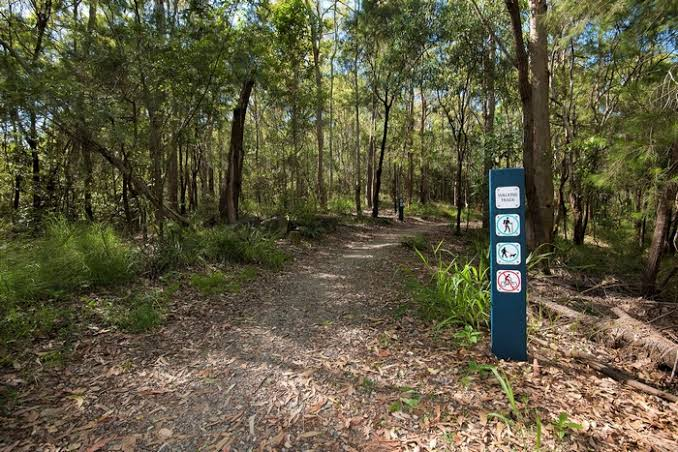
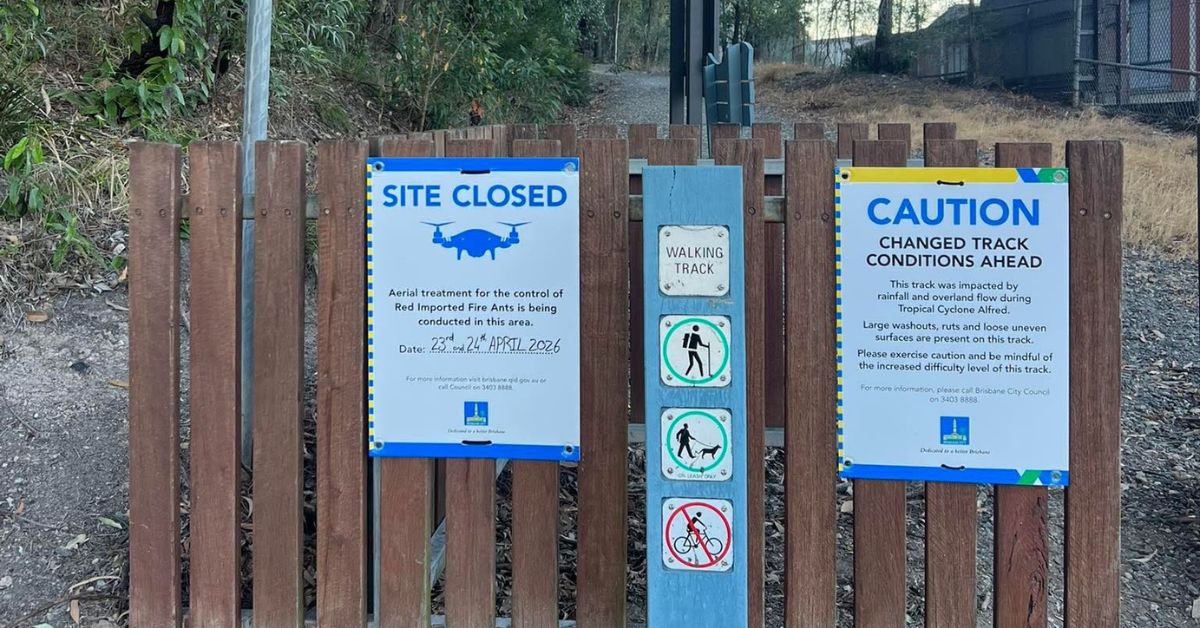
Signs posted at the Davey Street entrance to Toohey Forest in Tarragindi confirm that fire ants have been detected in the reserve, with eradication treatment now underway as part of Australia’s national effort to rid the country of one of its most dangerous invasive species.


A community member spotted the warning sign at the Davey Street entrance on 17 April, prompting questions among locals about what treatment was being used and whether households bordering the forest would receive more information.

The signs themselves are a standard part of the National Fire Ant Eradication Program‘s response procedure, posted to alert visitors that baiting or treatment activities are active in the area.

While fire ants in a beloved green space like Toohey Forest are understandably concerning, the presence of treatment notices is a positive signal. It means the pest has been identified and the eradication machinery is already moving.

Toohey Forest Is Too Important to Lose

Toohey Forest is one of Brisbane’s most significant urban bushland reserves, accessible from both Tarragindi and Moorooka and home to a rich range of native wildlife. That ecological richness is precisely what makes fire ant management here so important.

Fire ants, known scientifically as Solenopsis invicta, arrived in Brisbane in 2001 via cargo ships from South America and have since spread across more than a million hectares of South East Queensland. Their sting causes a sharp burning sensation and can, in rare cases, trigger severe allergic reactions including anaphylaxis.

They pose a serious threat not just to people and pets but to native fauna, competing aggressively with ground-dwelling insects, birds and reptiles for food and territory.

Dense urban bushland like Toohey Forest is actually one of the harder environments for fire ants to establish in. Research suggests fire ants struggle to penetrate undisturbed forest with thick leaf litter, where native competitors and predators, including meat ants, green-headed ants, spiders and predatory beetles, can push back against them.

However, this natural defense is a double-edged sword. Research highlights that clearing land or using broad-scale baiting that inadvertently wipes out native ant populations can actually roll out the red carpet for fire ants. Maintaining the health of our native ‘ant-army’ is just as vital as the treatment itself. Protecting and treating a habitat like this is worth doing.

How the Treatment Works

The National Fire Ant Eradication Program treats all properties in an eradication area, whether fire ants are visible or not, and does so at no cost to landowners. In areas like this, properties may be treated up to six times over two years to ensure no nest is missed.

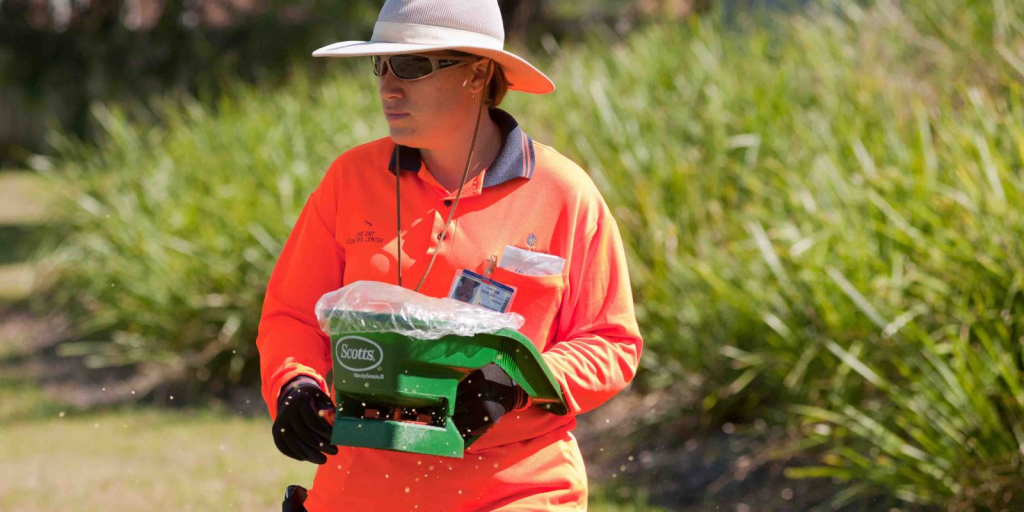
The treatment itself uses corn grit soaked in soybean oil, infused with a low-concentration insect growth regulator. Worker ants collect the granules and carry them back to the nest, where they feed them to larvae.

The larvae distribute the toxin through the colony by liquid feeding, and over several weeks the colony collapses. For an average suburban block, less than a teaspoon of insect growth regulator mixed with one cup of corn grit is all that is required.

Health authorities and the APVMA consider the treatment safe for people, pets, and the environment when applied strictly according to official guidelines. Because the bait is a targeted, low-concentration growth regulator rather than a broad-spectrum poison, it’s designed to hit the nest while leaving the wider ecosystem intact. 

Spotting Fire Ants in Your Area 

Residents who spot fire ants in gardens or along the forest edge must report the sighting to the National Fire Ant Eradication Program within 24 hours. Under the Biosecurity Act 2014, all Queenslanders have a general obligation to help prevent their spread.

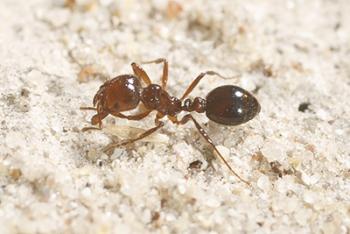
Fire ant nests are usually easy to identify. They form small mounds of loose, crumbly soil, up to 40 centimetres high, with no obvious entry holes. The ants themselves are copper-brown with a darker abdomen, ranging from two to six millimetres in size. When disturbed, they swarm quickly and aggressively.

Avoid disturbing or treating any suspected nest before reporting it, and keep children and pets well away from the area. While the bait is safe for pets if they come across it, it’s best to keep them away from treated areas so the ants have time to carry it back to the nest.

Report sightings by calling 13 25 23 or online at fireants.org.au.


Published 24-April-2026

Honouring Passchendaele: The Legacy of a Tarragindi Street Named for Battle and Bravery

Passchendaele Street in Tarragindi is named to commemorate the Third Battle of Ypres, often referred to as the Battle of Passchendaele, serving as a reminder of the significant Australian involvement and the devastating losses they suffered in one of the war’s most brutal battles of World War I.


Detailed Battle Accounts

The Battle of Passchendaele, officially known as the Third Battle of Ypres, took place in the Ypres Salient area of the Western Front, near the town of Passchendaele (modern Passendale), Belgium. Australian troops faced not only the entrenched German defences but also the horrendous conditions of mud and rain, which turned the battlefield into a marshland, impeding movement and contributing to the high casualty rates. 

Passchendaele
Photo Credit: Australian War Memorial

Key dates during this prolonged battle include:

31 July 1917: The battle begins with initial British attacks.

September 1917: Australian forces join the battle, achieving critical gains at Menin Road and Polygon Wood.

4 October 1917: Australians capture Broodseinde Ridge, marking a significant but costly victory.

12 October 1917: The first major attempt to capture Passchendaele village resulted in heavy Australian and New Zealand casualties. About 6,405 Australians were killed in action or dying of wounds in less than a month near Ypres. Additionally, a further 19,194 were wounded.

26 October to 10 November 1917: The battle’s final phase involved further Australian support, but primary efforts transitioned to Canadian forces who captured Passchendaele on 6 November 1917.

This battle was part of a series of battles in this region, characterised by its strategic importance due to the elevated ridge that offered the occupier significant tactical advantages.

Heroism in the Face of Adversity

On the sombre morning of 12 October 1917, Captain Clarence Jeffries demonstrated extraordinary leadership and courage under dire conditions. Before the assault, the battlefield’s transformation into a muddy marsh posed severe challenges. Jeffries, commanding B Company, took proactive steps with Captain T.G. Gilder to locate the battalion’s starting line, ensuring their unit was correctly positioned for the attack despite the obliterated direction tapes.

As the attack commenced under a British artillery barrage, Jeffries and his men faced intense machine gun fire from German strong points, particularly around Hilside Farm. The German defences included fortified pillboxes and entrenched positions, significantly hindering the Australian advance. 

Captain Clarence Jeffries
Photo Credit: Wikimedia Commons

Displaying quick thinking and bravery, Jeffries organised a small bombing party to outflank and capture these enemy positions. His group succeeded in taking control of multiple machine guns and capturing several prisoners, briefly reviving the Australian advance.

However, the German resistance was fierce, and as Jeffries attempted to push towards further objectives, he was mortally wounded by machine gun fire during a bold maneuver to neutralise another enemy position. His actions, though costly, marked a significant moment in the battle, showcasing the determination and sacrifice of the Australian forces. 

Jeffries’ leadership paved the way for temporary gains and exemplified the spirit of the Australian soldiers who fought at Passchendaele.

Despite their efforts, the Australian units faced overwhelming odds, and the intense enemy fire forced them to retreat, leaving behind many wounded and fallen soldiers, including Jeffries. 

Passchendaele
Photo Credit: Australian War Memorial

His bravery at Passchendaele was later recognised with a posthumous Victoria Cross, commemorating his bravery and leadership in one of the most challenging battles of the First World War.

Cultural and Memorial Impact

The battles at Passchendaele left a profound impact on Australian military history and are memorialised in various forms, including street names like that in Tarragindi. This serves as a perpetual memory of the sacrifices made by the Australians, illustrating the deep connections between local landscapes and global history.

Passchendaele St Tarragindi
Photo Credit: Google Maps


Published 28-April-2024
Updated 11-April-2025

Tarragindi School Delivers Message Through Community Street Art

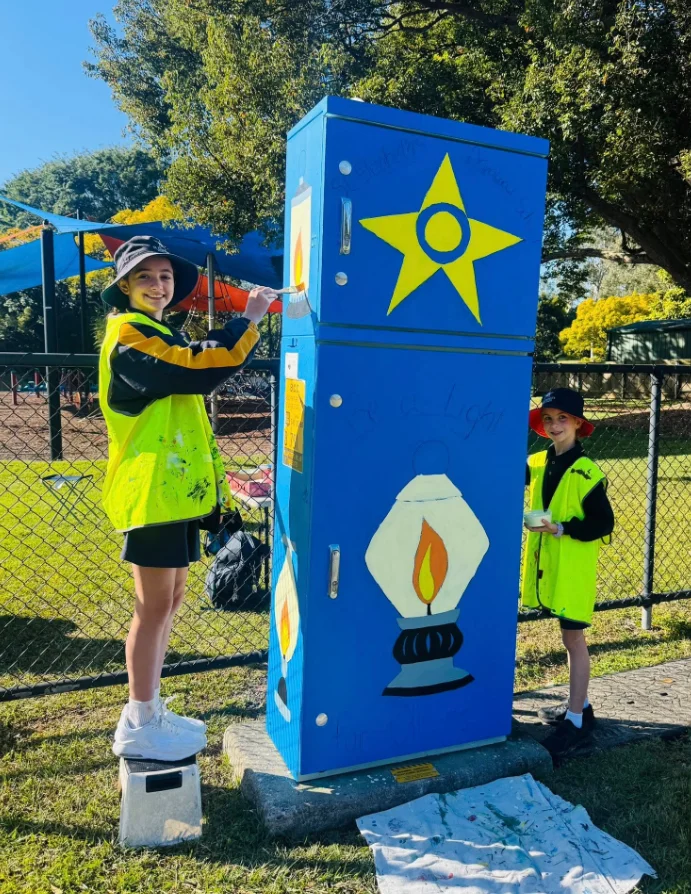
Students from St Elizabeth’s Catholic Primary School in Tarragindi have completed a public artwork on a traffic signal box as part of the citywide Artforce Brisbane initiative.


Students Showcase Creativity in Tarragindi

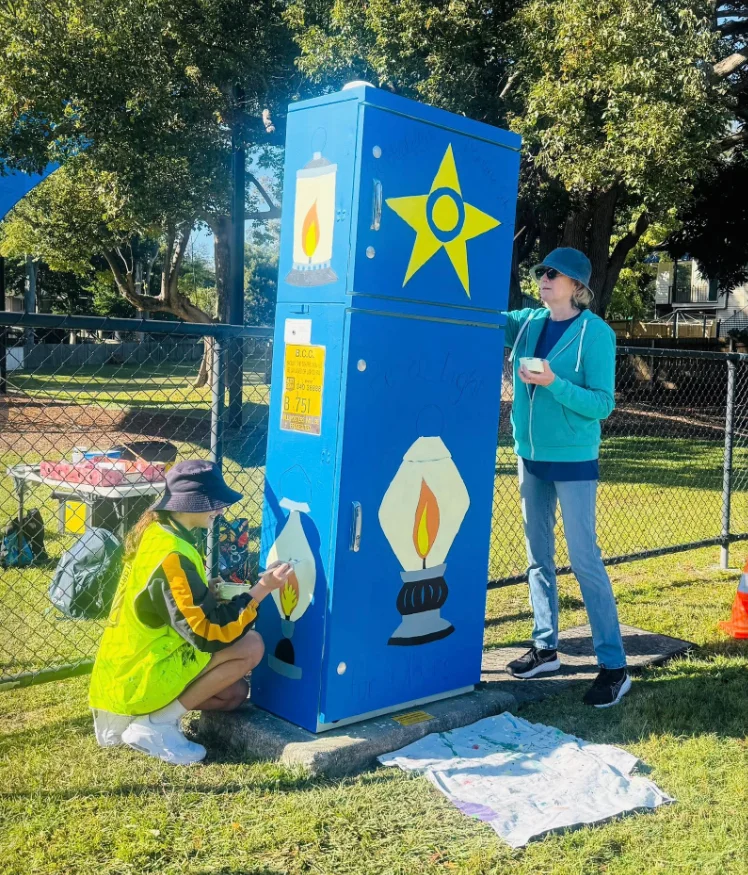
Students from St Elizabeth’s Catholic Primary School have added to the city’s streetscape by painting a traffic signal box on Andrew Avenue, Tarragindi. The artwork was completed under the Artforce Brisbane program, which encourages community participation in public art.

Brisbane-Wide Initiative Supporting Local Expression

Artforce Brisbane, established in 1999, allows residents of all backgrounds to design and paint traffic signal boxes throughout the city. With over 1,200 boxes completed and more than 5,000 volunteers involved to date, the program has become a platform for local storytelling and creativity across suburbs.

A Message of Light and Positivity

The Tarragindi signal box artwork features a bold blue background with a large yellow star and symbolic lanterns on each panel. The phrase “Be a Light for Others” is handwritten across the centre of the piece, aligning with the school’s mission of service and community care

School Involvement in Community Initiatives

Founded in 1958, St Elizabeth’s Catholic Primary School has maintained a strong focus on values-driven education and community engagement. The school currently enrols around 350 students and integrates projects like Artforce Brisbane into a broader educational program that includes leadership, creativity, and social awareness.

 St Elizabeth's School
Photo Credit: St Elizabeth’s School/Facebook

Broader Program Objectives

Artforce Brisbane artworks not only brighten intersections but also reduce graffiti and encourage public ownership of local spaces. The program operates across more than 1,000 traffic boxes citywide, with new opportunities opened annually for residents, schools, and community groups to contribute.

A Lasting Contribution in Tarragindi


The completed artwork now forms part of a growing gallery of public art across Brisbane, offering both visual interest and a message of encouragement. The contribution from St Elizabeth’s students reinforces the value of involving young people in shaping and beautifying their neighbourhood.

Published 29-July-2025
Updated 10-April-2026

Closer to Home: New BMX Track Under Construction

Construction crews began building a new BMX track at Salisbury Recreational Reserve this week, set to become the closest dedicated riding facility for young riders in Tarragindi, with the Evans Road reserve just minutes away across the suburb boundary.


Works began on Monday 30 March at the reserve off Evans Road in Salisbury, with the track designed for beginner, intermediate and expert riders. A June 2026 opening is anticipated, subject to construction conditions.

A Community-Driven Project

The track came about through direct advocacy from local BMX riders and their families, who raised the need for a dedicated facility in the area with the Moorooka Ward office. Young riders helped shape the design alongside bike track specialists, creating a layout that balances challenge for skilled riders with accessibility for newcomers.

BMX track
Photo Credit: Cr Steve Griffiths

The reserve’s location draws Tarragindi families south along Toohey Road toward Evans Road, with the two suburbs directly connected. Its position near the cricket nets and visibility from Evans Road make it easily accessible for residents on both sides of the boundary, while around 80 car spaces on the Allendale Street frontage support riders and visiting families.

A Nearby Track for Tarragindi’s Young Riders

Tarragindi sits immediately north of Salisbury and shares a close community connection with its neighbour, but residents have long relied on Toohey Forest Park for outdoor recreation as the suburb lacks purpose-built infrastructure for young riders. Families currently need to travel to Darra, Acacia Ridge or further afield to access the nearest BMX facilities.

Photo Credit: Cr Steve Griffiths

The new Salisbury track changes that equation for families living on Tarragindi’s southern edge, putting a quality, multi-level riding facility within easy reach for primary and secondary school-aged riders who want somewhere consistent and safe to develop their skills. The reserve sits within a broader sporting precinct, allowing riders to combine their visit with the use of nearby oval facilities and open parkland.

Photo Credit: Cr Steve Griffiths

For parents, a visible, park-based setting near the cricket nets also provides clear sight lines across the facility, an important consideration when younger children are riding alongside more experienced users.

How to Get There

Salisbury Recreational Reserve is accessible from Evans Road, Salisbury, a short drive south from Tarragindi via Toohey Road. The BMX track is expected to open around June For updates on construction progress, visit this link or contact the Moorooka Ward office on 07 3403 1730.


Published 02-April-2026

Ekibin, Before It Became Part Of Tarragindi

Did you know that before it became part of Tarragindi, Ekibin was a suburban locality with a rich indigenous history? Here’s a look back at the establishment of this locality, which was home to an aboriginal settlement in the early 19th century. 


Read: Tarragindi Tasserone: The Man Behind The Suburb’s Name


Name Origin

The Queensland Department of Natural Resources and Mines said the name ‘Ekibin’ was a modern name derived from the aboriginal word ‘Yekkabin’ which pertains to aquatic plants with edible roots which grew in the creek.

It’s believed that the aquatic plants being referred to are the Telmatoblechnum indicum or the swamp water fern which is often seen growing on sandy soils in swampy areas.

These edible roots, which are dried, roasted, and pounded, were part of the diet of the Aboriginals in Moreton Bay.

Referring to the good supply of edible roots there, the name ‘Ekibin’ has also been associated with “good eating.”

The name Ekibin has been used for the watercourse with headwaters from Toohey Forest Park, Holland Park West and Greenslopes. The swampy watercourse (formerly called Burnett Swamp) is now one of the tributaries of Norman Creek, alongside Sandy Creek.

Early Settlers

One of the early pioneers and land owners in the Ekibin district was Thomas Blackett Stephens, a wealthy businessman and newspaper proprietor who also served as an alderman and mayor of Brisbane Municipal Council.

Thomas Blacket Stephens (Photo credit: John Oxley Library, State Library of Queensland)

Stephens established a fellmongery business in 1862 and later on a farming business in the area.

Ekibin
Outside Cumbooqueepa, the former home of Thomas Blackett Stephens (Photo credit: State Library of Queensland)

His home, called Cumbooqueepa, was considered as one of the grandest homes in the South Brisbane area until it was demolished around the 1890s, to make way for the South Coast railway line.

The Baynes family, known for establishing a buthcering business in South Brisbane was also among the early settlers in the area. The location of their business was commonly referred to as Baynes’ Paddock, on the Norman Creek.

Ekibin became part of Tarragindi

A number of unofficial homeless camps were built around Brisbane as a result of the housing shortage during the Great Depression of the 1930s. As with many countries in the world, Australia experienced years of deflation, low profits, poverty, and plunging incomes during that period.

Ekibin
Queensland Housing Commission streetscape in Ekibin, August 1950 (Photo credit: Queensland State Archives, Digital Image ID 1515)

In Ekibin, there were as many as 600 families living at one time. But it eventually decreased to 148 families by 1954, after many of the huts were destroyed and the people relocated into housing commission homes. The camps were bulldozed shortly after some of the remaining residents were relocated.


Read: Tarragindi Property Market Shows Strong, Consistent Performance


Until the early 1970s, Ekibin was identified as a census district that extended from the Boggo Road Gaol to the Tarragindi reservoir.

Updated 1-April-2026