


How Japanese Language And Culture Have Found A Home In Tarragindi

What makes Tarragindi a meeting point for Japanese language and culture? Across the suburb, Japanese language and cultural activities can be found through the local school, a Japanese-language playgroup and community groups, giving children and families opportunities to connect with Japan close to home.


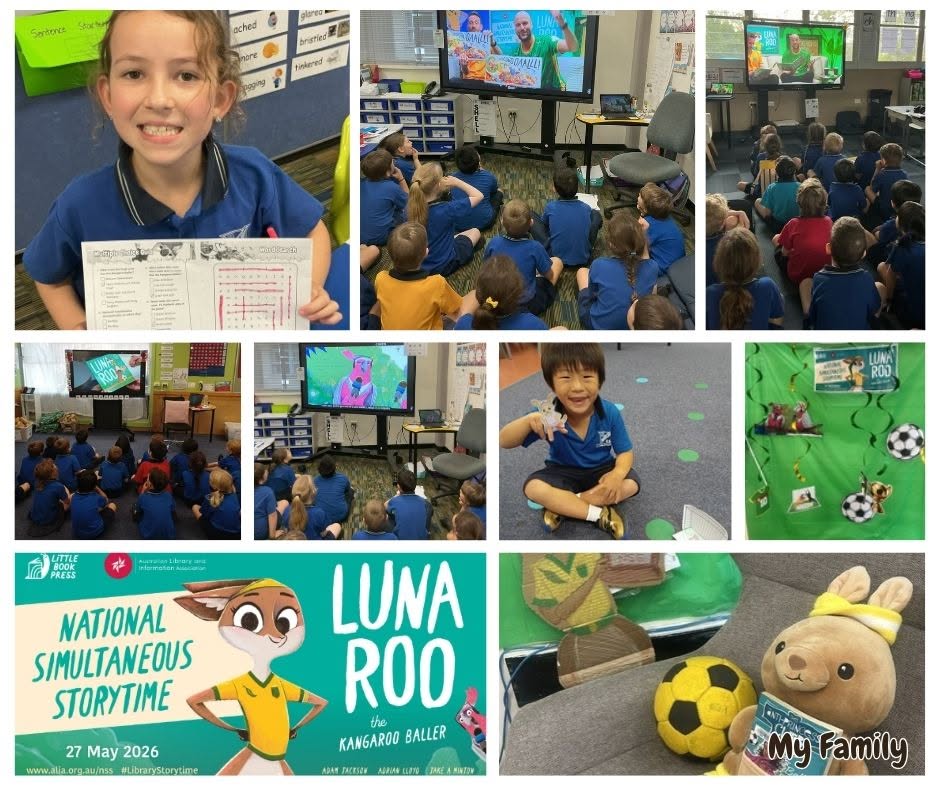
Read: Wellers Hill Students Celebrate National Storytime with Inspiring Luna Roo Adventure


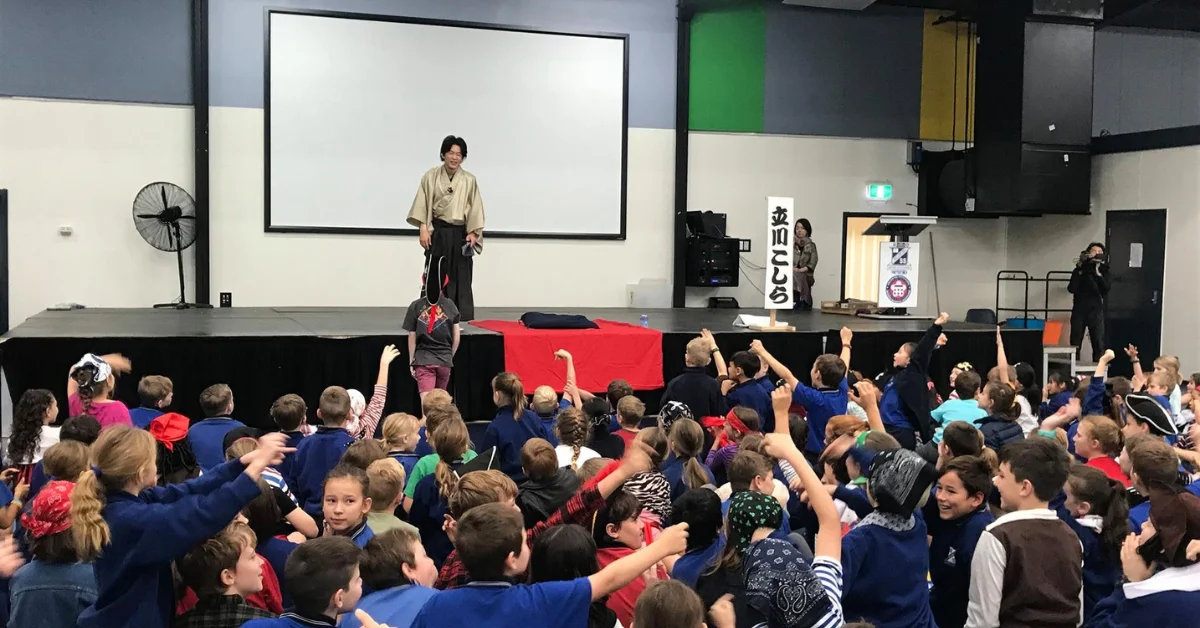
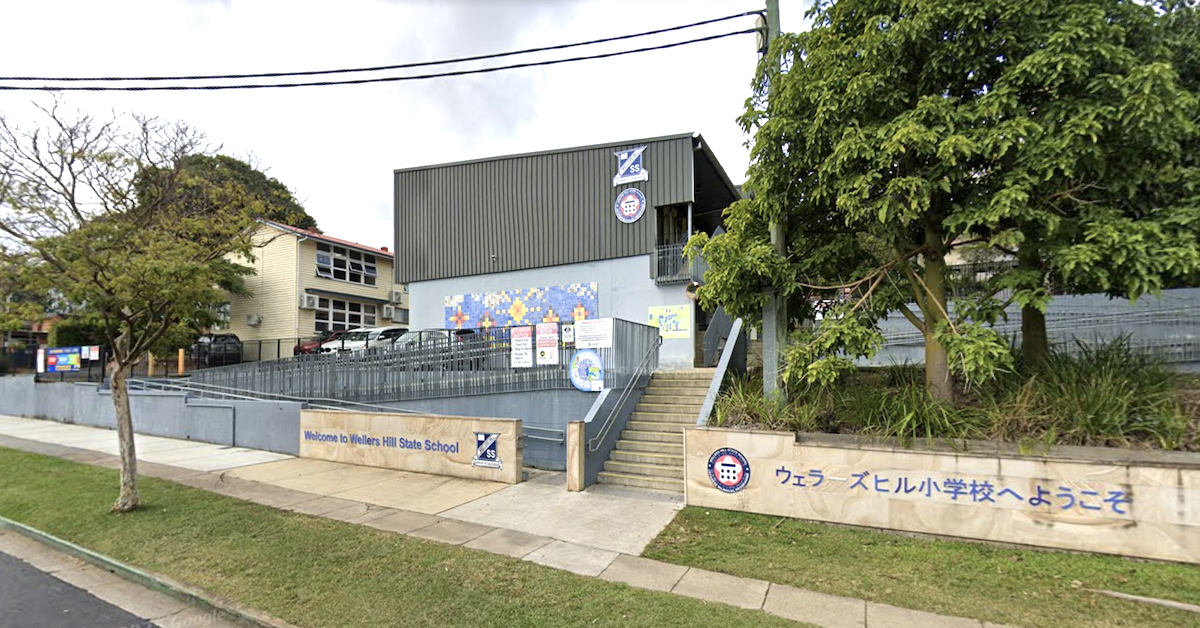
One of those connections will come into focus again in Term 4, when students from Kudan in Japan return to Wellers Hill State School during Week 6 to experience school in an Australian context. The school is also seeking families who would welcome Japanese students into their homes during the visit, with interested families asked to contact the Australian Japan Study Programme (AJSP) to register their interest.

A Japanese Connection At Wellers Hill
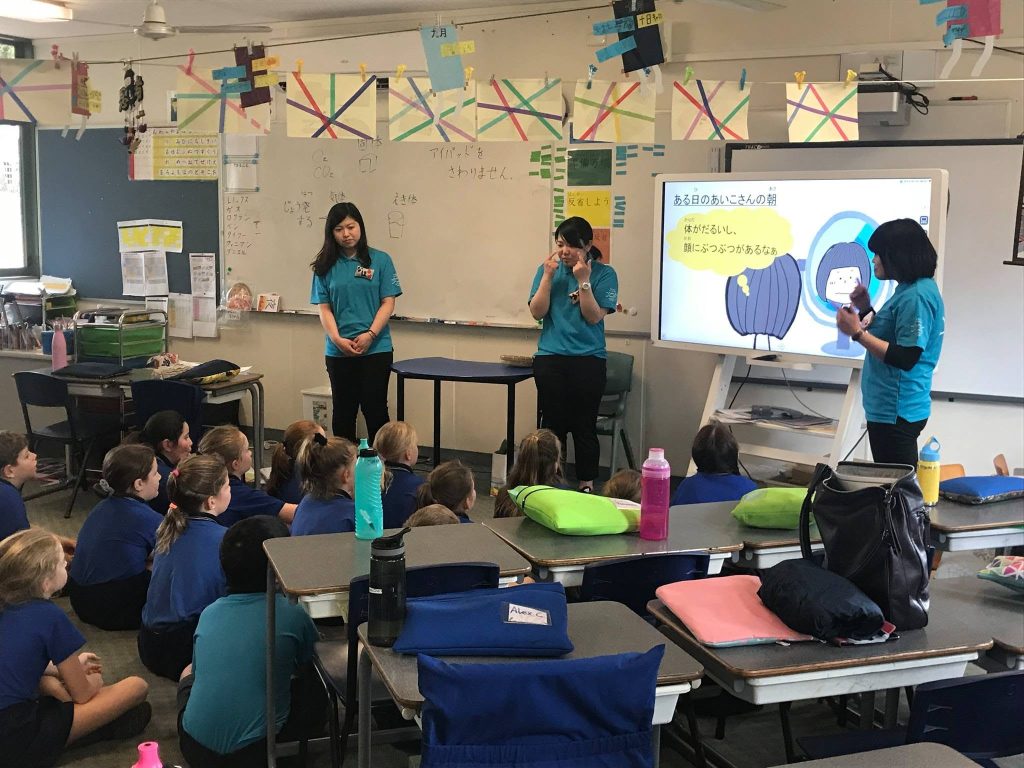
Photo credit: Facebook/Wellers Hill State School

Wellers Hill State School has developed Japanese language and cultural programs that extend beyond the classroom. Wellers Hill began its Japanese Bilingual Program in 2014, with the program initially offered to Year 1 students. The school now offers an Australian Curriculum Japanese pathway from Year 1 to Year 6, alongside its Australian Curriculum English pathway.

The school also has international links through its Japanese program. Its current friendship school is Shiwasuda Elementary School in Saitama, Japan, with Year 3 students involved in postcard writing and Year 6 students taking part in Teams meetings.

Wellers Hill also offers students the opportunity to take part in a Japan Study Tour. The tour involves attending school in Japan as well as visiting cultural sites and participating in cultural activities.

The Kudan exchange brings Japanese students into the Tarragindi school environment, giving them an opportunity to experience an Australian school. Wellers Hill’s parent handbook identifies Kudan Junior High School among the Japanese schools it hosts, with visiting students attending Wellers Hill and participating in classroom activities and explicit English lessons.

For the returning students, the visit will provide an opportunity to experience everyday schooling in Australia, as the school has described it.

From Playgroups To The Bowls Club
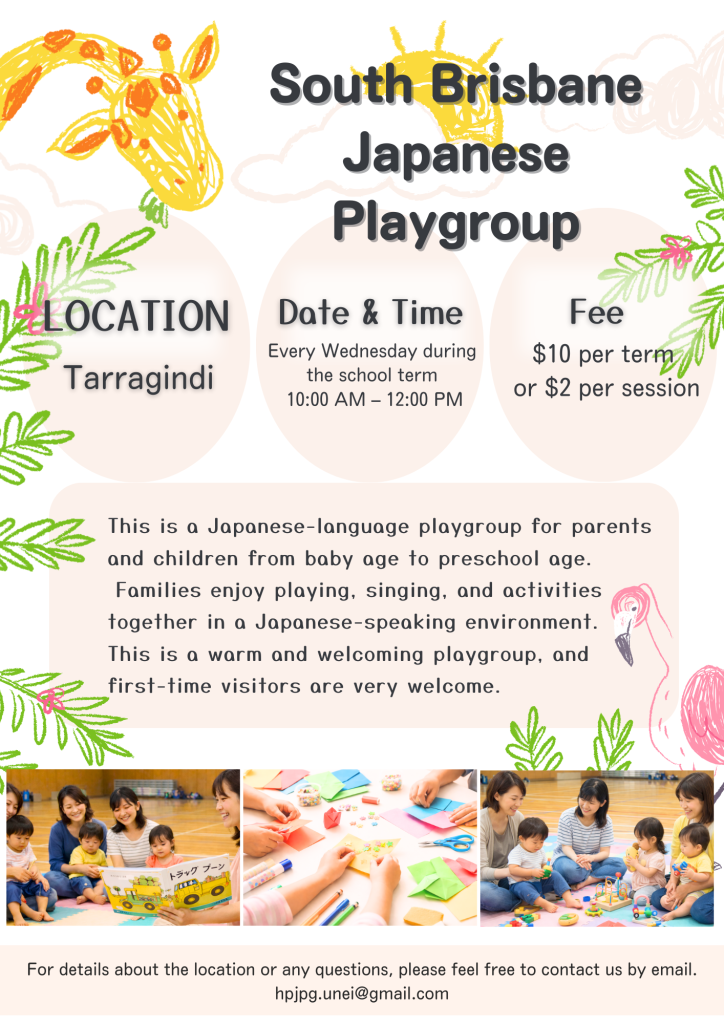
Photo credit: Play Matters Australia

The Japanese connection in Tarragindi is not confined to the school grounds. The Southside Japanese Playgroup provides another gathering point for Japanese-speaking parents and young children, offering a mix of organised activities and free play. Sessions include Japanese book reading, songs, movement, outdoor play and seasonal craft and cultural activities.

The group describes its emphasis as fun and cultural experience through the Japanese language, while also giving families a chance to make new friends and become part of a community. The current Play Matters listing places the playgroup in Tarragindi.

Photo credit: Wellers Hill Bowls Club

At Wellers Hill Bowls Club, meanwhile, Little Japan provides another avenue for Japanese language and cultural activities. Little Japan describes itself as a Japanese language and cultural community based in Brisbane, with Japanese lessons, tutoring and cultural workshops including calligraphy.

Its services also include an after-school Homework Club based at Wellers Hill State School, providing tutoring and homework support for students from Year 1 to Year 6. Taken together, these activities create several entry points into Japanese language and culture around Tarragindi.


Read: Talented Kids from Wellers Hill Girl Guides Crafted Wooden Reindeers for The Salvation Army


At school, students can encounter Japanese through the curriculum, while younger children can experience the language through playgroup activities. Families can also find Japanese cultural programs outside school, while visiting students from Japan take part in activities at Wellers Hill.

The return of the Kudan students in Term 4 adds another chapter to Wellers Hill’s established connection with Japan. For Tarragindi, the story is less about a single exchange and more about the range of ways Japanese language and culture have become part of community life.

Published 21-September-2026
Wellers Hill Students Celebrate National Storytime with Inspiring Luna Roo Adventure

Students at Wellers Hill State School were among thousands of children across Australia who took part in the 2026 National Simultaneous Storytime during the last week of May, joining a nationwide celebration of books and literacy.


This year’s featured story, Luna Roo, follows a spirited young kangaroo who faces challenges, overcomes self-doubt and works alongside friends to pursue her dreams. Set in the Australian outback, the book highlights the importance of resilience, teamwork and believing in yourself.

Selected from 84 publisher submissions, Luna Roo was chosen as the official National Simultaneous Storytime title for its engaging storytelling and uplifting message.

About National Simultaneous Storytime

National Simultaneous Storytime (NSS) is an annual event organised by the Australian Library and Information Association (ALIA). Each year, schools, libraries, childcare centres, bookshops and community groups across the country read the same Australian children’s book at the same time, creating one of Australia’s largest shared reading experiences.

The initiative aims to encourage a love of books and literacy while highlighting the work of Australian authors and illustrators. Since its launch in 2000, millions of children have taken part in the event, making it a much-anticipated fixture on the school calendar.

A Shared Reading Experience

By reading Luna Roo alongside schools and libraries across the country, Wellers Hill students became part of a national celebration of storytelling while reinforcing valuable lessons about courage, determination and persistence.


The school described the activity as a meaningful way to encourage young readers and celebrate the power of stories to build confidence, imagination and resilience.

Published 3-June-2026

Survey Says Locals Have Problems with Pathways Around Popular Tarragindi Primary School

Pathways surrounding a popular primary school in Tarragindi emerged as Brisbane’s top pathway hotspot, receiving the most concerns raised by respondents in the inaugural RACQ’s Safer Pathways Survey.


RACQ Transport Planning and Infrastructure Advisor Tim Mitchell said that the pathway network surrounding Wellers Hill State School in Tarragindi received the most number of complaints from hundreds of Queenslanders in the Club’s inaugural survey. 

“One of the biggest concerns identified by Tarragindi residents was a lack of footpaths to accommodate school traffic on Chamberlain Street and pedestrian crossings,” Mr Mitchell said.

“This is a popular local primary school with more than 900 students; however, our survey has revealed there is a deficiency in safe and accessible pathways which makes it difficult for parents and children to get around.”

Meanwhile, on-road bike lanes on Sylvan Road in Toowong are also a hotspot for pathway issues, added Mr Mitchell, with residents describing the location as “narrow and intimidating”. 

He said that in the third-ranking Brisbane CBD, safety issues were the most common concern why locals compete for footpath space, as well as a desire for more pathway connections. Whilst in Wooloowin, the major problem was the ending of the separated cycle path along the Northern Bikeway, where it transitions to an on-road bicycle lane at Price Street.

Active infrastructure appeared to be more in demand, the survey results revealed, particularly among Queenslanders walking or using e-scooter, e-bikes, and cycling. RACQ said that this highlights the importance of having pathway networks that are safe, connected, and accessible for the whole community. 


The inaugural Safer Pathways Survey which ended on 17 August 2022, allowed residents to nominate multiple locations. The results were forwarded to councils and the State Government to help the state improve its active transport networks providing vital information about how the pathway network is used and where the current gaps and faults are.

The top five southeast Queensland suburbs for Safer Pathways Survey responses are Tarragindi (80), Toowong (29), Brisbane CBD (23), Wooloowin (19), and Nerang (16).

Find the map of the full survey results here: https://www.racq.com.au/saferpathwayssurvey